 TR
TR EN
EN RU
RU DE
DE AR
AR FR
FR








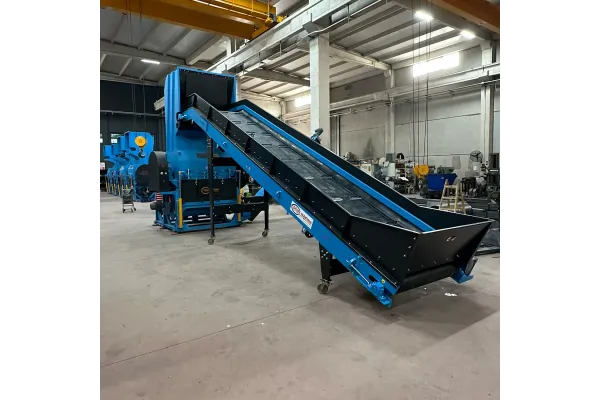


Conveying and Transfer Systems: Seamless Logistics and Automation in Recycling Lines
The success of a recycling facility is measured not only by the shredding or washing power of its machines but also by how fast and smoothly material flows between them. Conveying and Transfer Systems are integrated solutions that ensure material is transferred touch-free, loss-free, and safely at all stages—from raw material intake to final product packaging. Consisting of components such as Conveyor Belts and Pneumatic Transfer Fans, these systems minimize labor costs while maximizing facility efficiency. At Oğuz Makina, we offer high-strength conveying solutions tailored to your facility’s layout and capacity.
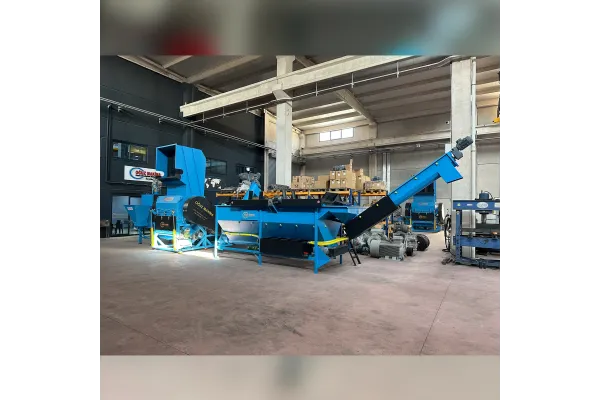
1. Conveyor Belt Systems: Strong Link Between Machines
Conveyor belts act as the primary transporters, particularly in feeding coarse waste into shredders and conveying flakes from crushers to washing tanks.
Heavy-Duty Chassis: Rigid steel construction body that is resistant to continuous material load and operational mobility, effectively dampening vibration.
Material-Specific Belt Options: Depending on the form and moisture content of the plastic, we offer wear-resistant rubber, serrated PVC to prevent slipping, or high-heat-resistant pallet options.
Integrated Metal Separation: Magnetic drums and metal detectors integrated into feed conveyors prevent damage to machine components (blades and rotors) caused by metal parts.
Height and Incline Adjustment: Belts, which can be manufactured at different angles according to facility layout, are optimized to occupy minimal space in vertical and horizontal transport.
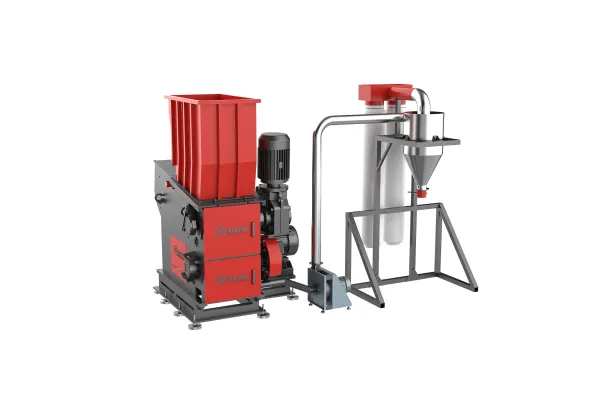
2. Pneumatic Transfer Fans and Air Conveying Technology
Pneumatic transfer systems are the most effective method for transferring light flakes, dust, and granular plastics over long distances or into storage silos.
High-Pressure Air Transfer: Transfer fans allow material to be conveyed through closed pipe lines via air power. This method ensures the material is protected from dust and moisture in the external environment.
Zero-Waste Principle: The closed-loop conveying system prevents material from scattering or spilling, completely eliminating raw material loss.
High-Efficiency Rotor Design: The blades within the fan are manufactured from special alloys that are reinforced against the abrasive effects of plastic particles and are perfectly balanced.
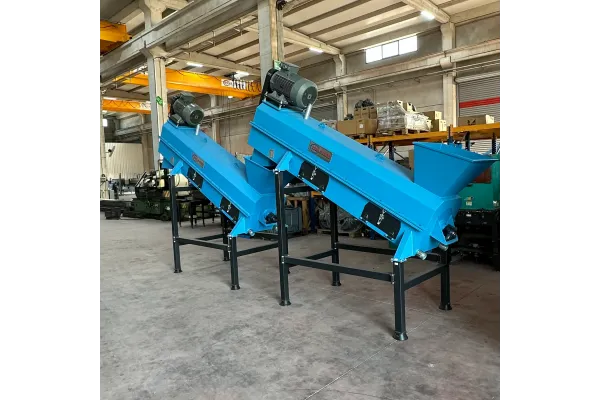
3. Screw Conveyors (Augers): Precise and Controlled Dosing
Used especially in steep-angle conveying and bag-filling stations, screw conveyors (augers) enable the transmission of material with the help of a mechanical screw.
Hopper and Mobile Designs: Large feeding bunkers allow for material stockpiling, ensuring a stable flow. Thanks to their wheeled chassis, they can be easily moved to different points within the facility.
Packaging Ease: Product packaging is carried out in seconds with sack or big-bag binding attachments integrated into the outlet.
4. Technical Advantages: Labor Savings and Facility Safety
Oğuz Makina transfer systems do more than just transport; they ensure the entire line works as a single intelligent entity.
Automation Compatibility: Belt and fan speeds can be synchronized via the PLC system according to the load of the fed machine, preventing buildup and clogs.
Occupational Health and Safety: Transporting material without human touch eliminates the risks associated with lifting heavy loads or coming into contact with sharp parts. Maximum safety is provided with emergency stop switches and protective barriers.
Low Maintenance Cost: Maintenance costs are minimized through closed-bearing housings that do not require lubrication and wear-resistant belt surfaces.
5. Factors to Consider When Choosing a Transfer System
For the right conveying solution, the following criteria must be kept in mind:
Distance and Height: The path length and elevation difference the material must cover determine fan power or belt length.
Material Density: While air conveying is suitable for light film plastics, heavy-duty conveyor belts are necessary for heavy blocks or wet flakes.
Raw Material Purity: Closed-loop transfer systems protect the quality of the raw material by preventing it from being affected by environmental pollution.
Frequently Asked Questions (FAQ)
Should I prefer a conveyor or a fan in a recycling line? Conveyor belts are the most efficient solution for transporting coarse and heavy materials (bales, blocks, large flakes), while transfer fans are best for long-distance transfer of light, dry, and small-sized materials (granules, fine flakes).
Can a metal detector be attached to every belt? Yes. Especially to protect crushers and shredders, tunnel-type metal detectors or magnetic separators can be easily integrated into feed conveyors.
How much energy do conveying systems consume? Our systems are equipped with high-efficiency motors and gearboxes with appropriate gear ratios. These systems, which draw maximum power only while transporting material, offer low operating costs.
Do pipe clogs occur? The risk of clogging is minimized when the correct air flow and pipe diameter are calculated. Furthermore, the high-pressure capacity of our fan systems keeps the material's fluidity constant.
Which materials are screw conveyors suitable for? Screw conveyors are generally suitable for flakes that have already passed through a crusher or final granules. Since they may cause tangling in film-type (nylon) materials, air conveying or belt systems are preferred for this group.

