TR
TR EN
EN RU
RU DE
DE AR
AR FR
FR










Shredders and Plastic Granulators: Industrial Recycling Guide
In the plastic recycling industry, size reduction is the first and most critical stage of waste management and raw material production. Shredders and Granulators (Crushers) form the cornerstones of this process. The key factor determining efficiency in modern facilities is selecting the correct machine combination based on the material's type, form, and density. At Oğuz Makina, with over thirty years of experience, we provide engineering solutions that elevate the operational power of your recycling lines to the peak.
1. What is a Shredder? Working Principles
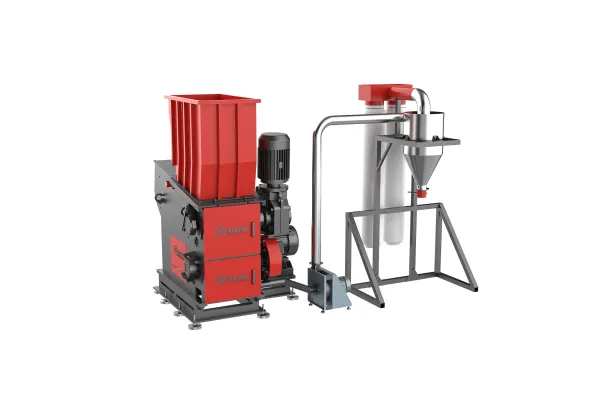
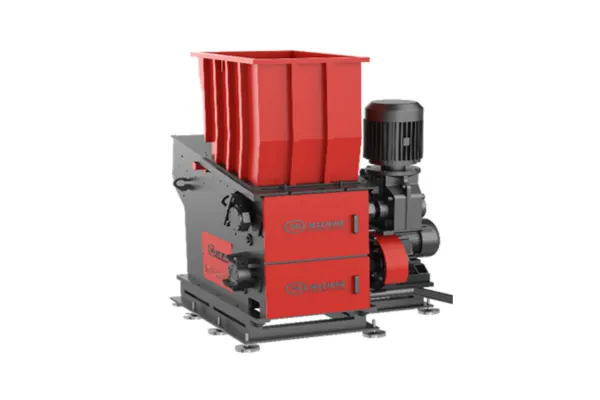
Shredder machines are primarily used in the initial stage of processing high-strength, large-volume, and rigid plastics. These machines operate on the "high-torque, low-speed" principle, breaking materials down using a tearing and cutting method.
Single-Shaft and Double-Shaft Technologies: Single-shaft systems provide controlled shredding by pushing material toward the rotor with a hydraulic pusher. Double-shaft (twin-shaft) shredders offer much higher capacity and serial processing by pulling material in through counter-rotating rotors.
Rotor Design: The "V" type blade arrangement used in shredders increases cutting stability by focusing the material toward the rotor's center.
Hydraulic Pusher System: Adjusts the pressure of the material on the rotor, preventing motor overload and maximizing energy efficiency.
Gearbox and Drive: Heavy-duty gearboxes provide the steady, uncompromising torque needed to handle challenging materials.
2. Plastic Granulators: Precision Sizing and Capacity
Plastics that have already passed through a shredder or are of medium scale are reduced to final flake form for pelletizing via Granulators. Unlike shredders, granulators operate using "high-speed shearing" techniques.
Cutting Techniques: Performance depends on the alignment between rotor blades and stationary blades. The shearing motion breaks down plastic sharply without crushing, preventing heat buildup and degradation of raw material quality.
Rotor Types: Open, closed, and semi-open rotor designs are selected based on the type of plastic (film, flake, purge).
Blade Alloys: Blades produced from high-chrome and vanadium-added steels increase wear resistance, extending maintenance intervals.
Screen Systems: Exchangeable screens (e.g., 10 mm, 12 mm, 20 mm) provide flexibility to the line based on the desired flake size.
3. Processing Strategies for HDPE, PP, PET, and LDPE
Each plastic type has a different molecular structure and density, requiring specific strategies:
LDPE and PP Film Groups: Because they are flexible and thin, "sharp shearing" is essential. Dull blades may drag film instead of cutting it, leading to clogs.
HDPE and Rigid Plastics: These plastics, usually in block or board form, must pass through a shredder station before entering the granulator to protect the granulator's rotor shaft and bearings.
PET Bottle Recycling: PET is a rigid and abrasive material. Granulators used in these lines require the rotor to be specially hardened (hard-facing) against wear.
4. Efficiency and Energy Saving in Industrial Recycling
Electricity consumption is the largest operational cost in recycling facilities. Our new-generation motor and gearbox groups are optimized to minimize energy consumption per ton.
Inverter Control: Variable frequency drives adjust speed based on load, preventing energy loss during idling.
Heat Management: Water-cooled bearing housings minimize heat caused by friction, allowing for 24/7 continuous operation.
5. Maintenance and Operational Tips
Blade Sharpening: Dull blades decrease capacity and lead to motor overheating and bearing damage.
Bearing Lubrication: Proper grease usage is vital for high-speed granulators.
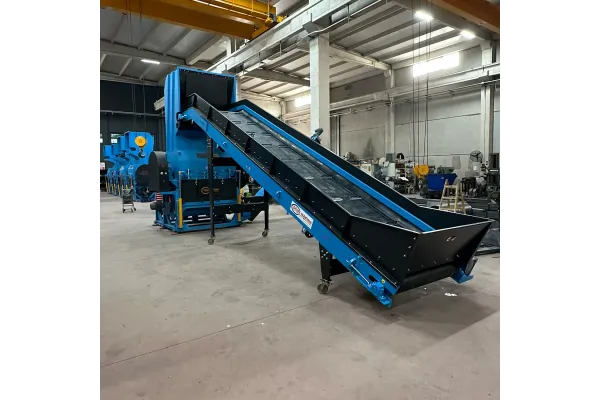
Metal Separation: Magnets and metal detectors placed on conveyor lines before the machine prevent rotor damage.
Frequently Asked Questions (FAQ)
What is the difference between a shredder and a granulator? A shredder is used for breaking down very large, rigid pieces at low speed with high torque, while a granulator uses high-speed shearing to reduce material to its final flake size before pelletizing.
What capacity machine should I choose? Selection is based on your hourly production target and material density. For example, film plastics occupy more space but are light; therefore, models with larger chambers should be preferred.
What is the life of the blades? It depends on the contamination rate (sand, metal, glass) and steel quality. Oğuz Makina’s special alloy blades offer 2-3 times longer sharpening life compared to standard blades.
How can I prevent overheating? Material heating is usually caused by dull blades or incorrect rotor design. We eliminate this with our water-cooled housing and rotor options.
Why is spare parts support important? Machine downtime in recycling facilities is a significant cost. Oğuz Makina prevents production interruptions by providing in-stock spare parts and fast service support for all model groups.