 TR
TR EN
EN RU
RU DE
DE AR
AR FR
FR


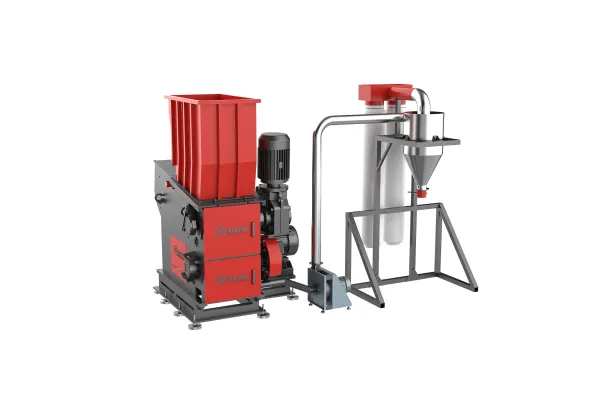
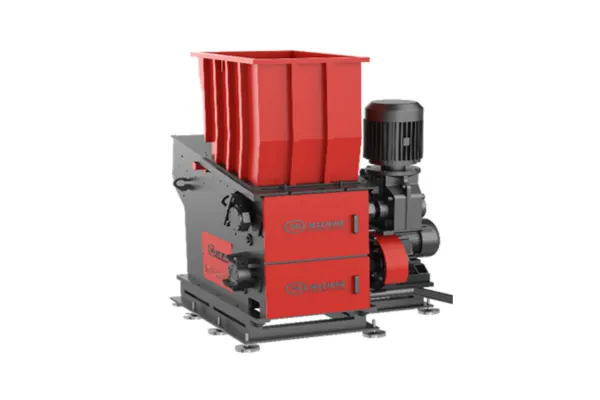






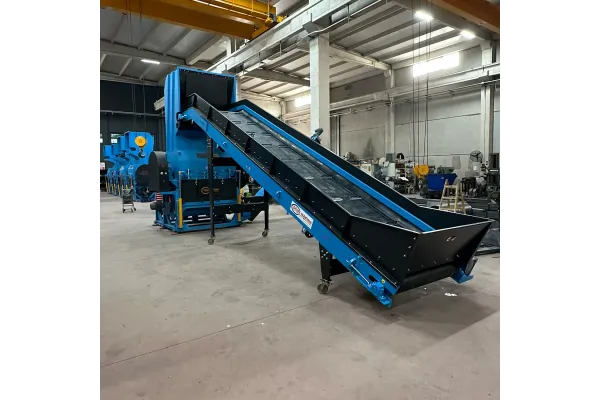


Double-Shaft Shredders
Achieving maximum efficiency in industrial waste management, recycling processes, and volume reduction operations requires a strong and durable infrastructure. Double-shaft shredders are heavy-duty machines at the heart of industrial facilities, operating on the principle of low speed and high torque to easily reduce even the toughest and most voluminous materials.
On this category page, you can find the most suitable double-shaft shredder models for your facility's capacity and the difficulty level of the materials you process. You can also obtain comprehensive information about the working principles, application areas, technical hardware, and operational advantages these machines will provide to your business.
What is a Double-Shaft Shredder and How Does It Work?
A double-shaft shredder (twin-shaft shredder) is an industrial machine that shreds material by cutting, tearing, and shearing it between cutting blades arranged on two parallel shafts (rotors) rotating in opposite directions. Unlike "high-speed granulators," these machines operate at low revolutions per minute (RPM) but with very high torque.
Working Principle:
Feeding: Material is loaded into the machine through a large-volume feeding hopper. Optionally, a hydraulic ram system can guide the material toward the rotors.
Gripping and Cutting: The hexagonal or specially formed blades on the counter-rotating shafts grab the material. The narrow tolerance (gap) between the blades creates a scissor effect, ensuring the material is shredded regardless of its hardness or thickness.
Automatic Jam Protection (Auto-Reverse): When an object much harder than the target shredding capacity (e.g., a massive steel block) enters between the blades, the system's PLC automation detects the jam. The shafts automatically rotate in the opposite direction for an instant to release the material, then rotate forward again to attempt shredding. This feature protects the machine's motor and gearbox from burning out.
Discharge: The shredded material passing between the blades is transferred from the bottom to conveyor belts or collection units, making it ready for secondary processes (such as granulators).
Key Application Areas and Sectors
Serving a wide industrial spectrum, these machines play a leading role in the waste disposal and recovery processes of various sectors thanks to their versatile design.
Plastic and Polymer Recycling: Large-volume plastic blocks, injection scraps, IBC tanks, massive plastic pipes (HDPE, PVC), barrels, and automotive plastic parts are too large or hard for standard crushers. Double-shaft shredders break these industrial plastics into smaller, processable pieces, preparing them for the secondary crushing stage (single-shaft shredders or granulators).
Electronic Waste (E-Waste) Processing: Complex e-waste such as end-of-life appliances (refrigerators, washing machines), industrial servers, copiers, computer cases, cable scrap, and printed circuit boards (PCB) contains both valuable metals and plastics. Double-shaft systems shred these integrated structures, releasing the material for subsequent separation stages (magnetic separators, eddy current, etc.).
Light Metal and Scrap Processing: Reducing the volume of metals such as aluminum profiles, beverage cans (UBC), machining scrap, light steel barrels, and automotive sheet metal parts directly lowers transportation and melting costs.
Medical and Hazardous Waste Disposal: It is a legal requirement that hazardous waste from hospitals or chemical plants be rendered unrecognizable before disposal or sterilization. Syringes, medical packaging, and chemical waste barrels are safely minimized with double-shaft shredders.
Wood, Forest Products, and Biomass: Industrial pallets (with or without nails), furniture waste, MDF/chipboard scraps, tree roots, and branches are shredded to become fuel (RDF) for biomass energy plants or raw material for pellet production.
End-of-Life Tires (ELT) and Rubber: Truck, tractor, and car tires are among the most difficult wastes that occupy significant volume and do not decompose in nature. Despite their steel-wire structure, double-shaft shredders subject tires to pre-cutting, forming the first step of the rubber recycling line.
Advantages of Using Double-Shaft Shredders for Businesses
Decrease in Logistics and Storage Costs: Waste that occupies massive volume is reduced by up to 80% of its original volume when shredded. This drastically lowers the number of trips required for waste transport and the costs of waste storage areas.
Pre-Processing and Efficiency in the Production Line: Integrating a double-shaft machine into the system ensures the material's initial rigid resistance is broken, significantly increasing the general processing capacity (kg/hour) of the line and preventing premature dulling of granulator blades.
Low Noise and Dust Emission: Unlike high-speed machines (e.g., hammer mills), they keep noise pollution and airborne dust to a minimum, providing a great advantage in terms of compliance with Occupational Health and Safety (OHS) standards.
Continuous Operation with High Tolerance: Even if nails, screws, or hard foreign objects accidentally enter the machine, the machine does not sustain heavy damage due to its low speed and high-quality steel blades. With the auto-reverse system, clogs are cleared in seconds without human intervention.
Critical Technical Specifications and Hardware Structure
Blade (Rotor) Structure and Material Quality: Cutting blades are the heart of the machine. Depending on the material to be processed, blade thickness, hook number, and profile design vary. Usually, alloy steels such as Hardox, D2, SKD-11, or 42CrMo with high wear resistance and vacuum hardening are used.
Drive Systems (Motor and Gearbox): Heavy industrial planetary gearboxes that produce the immense torque required are used. Systems can be electric or hydraulic; hydraulic systems react faster and more safely to sudden jams during heavy-duty work.
PLC Control Panel and Automation: Controlled via Siemens or Schneider Electric infrastructure, real-time load tracking is performed, and safety is maximized with emergency stop buttons and safety-locked cover switches.
Frequently Asked Questions (FAQ)
What is the difference between a double-shaft shredder and a single-shaft shredder? Double-shaft shredders use two counter-rotating rotors to perform shearing; they have no screen and are ideal for coarse shredding (volume reduction). They are more tolerant of foreign objects (metal, stone, etc.). Single-shaft shredders work by a hydraulic ram pushing material against a single fast-rotating rotor; they have screens underneath and provide homogeneous, smaller-sized outputs.
What is the life of the machine's blades? This depends entirely on the material you shred. If you only shred light plastics or wood, blades can last for years. However, if scrap metal, tires, or e-waste are shredded, blades may need periodic sharpening and maintenance/replacement every 6-12 months on average.
Can I shred any material I want with the same machine? While the machines are technically versatile, blade designs must be optimized for efficient operation. Sharing your target materials with our engineers before purchase is essential for the correct machine configuration.
How are machine installation and commissioning performed? Once your machine reaches your facility, our expert technical team handles the infrastructure (electrical panel, conveyor integration) installation. Test runs are performed with your target materials, PLC settings are optimized, and your operators are provided with usage/maintenance training.
To determine the most ideal Double-Shaft Shredder model to strengthen your production line, maximize your recycling capacity, and optimize your costs, you can review the product details on our category page and contact us to receive project-based technical support and price quotes from our expert engineering team. We are ready to reshape your business's operational efficiency with heavy industrial quality.


