TR
TR EN
EN RU
RU DE
DE AR
AR FR
FR

-
PRODUCT GROUPS
-
2 IN 1 Compact
Shredder + Granulator (Crusher) Systems
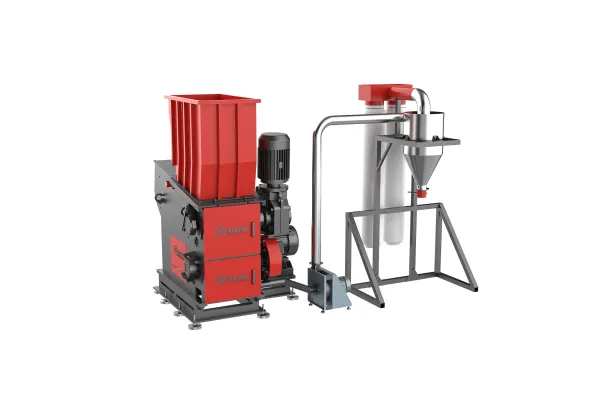
Our 2-in-1 Machines, which combine low-speed primary shredding (shredder) and high-speed precision granulation (crusher) in a single compact body, provide maximum space and energy savings for your facility. These units process large-volume, thick, and tough plastic waste—which is difficult to feed directly into standard granulators—into the ideal size in a single stage, eliminating the need for intermediate conveyor belts. Manageable from a single automation point, this integrated system reduces logistical clutter and maintenance needs in your production line, offering your business a seamless, high-efficiency, and safe recycling process.
-
Single Rotor Shredder
Single Shaft Shredder
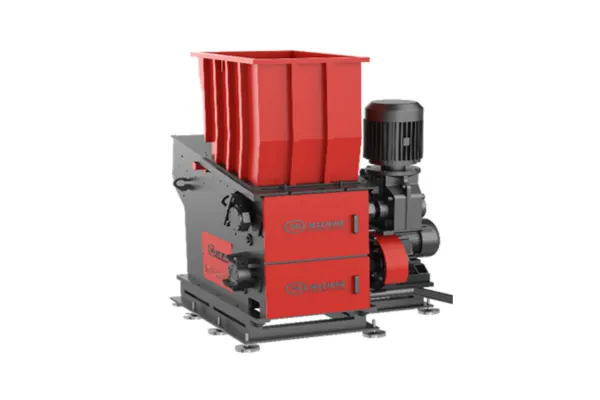
Our Single Shaft Shredder machines, which shred thick, rigid, or flexible bulky waste in your facility with high torque, provide superior performance in your recycling line. While the intelligent hydraulic pusher unit regularly feeds waste to the rotating rotor, the exchangeable screen system at the bottom ensures the material exits at exactly the standard size you desire. This durable design, which protects itself against overloads with its advanced automation, offers your business an uninterrupted and safe production opportunity.
-
Tyron Shredder
Tyron Shredder
Specially designed for the primary shredding of tough and complex waste, our Tyron Shredder machines offer unparalleled performance with dual-shaft (rotor) technology that operates independently. The ability of the shafts to rotate and adjust speed independently definitively prevents long or fibrous materials from wrapping around the machine. Produced with extra resistance against foreign and hard objects, this low-speed system ensures that your facility processes even the most challenging waste without interruption and at maximum capacity.
-
Double Rotor Shredder
Double Shaft (Twin-Shaft) Shredder
Designed to shred the most resistant materials—such as bulky plastic barrels, wooden pallets, and vehicle tires that single-rotor systems struggle to process—our Double Shaft Shredder machines operate on the principle of low speed and high torque. Two powerful, counter-rotating shafts grip and tear the material apart with high shearing force, allowing for continuous feeding without the need for a hydraulic pusher unit. Thanks to its intelligent automation that automatically reverses the shafts in the event of a potential jam, it ensures that you can process even the most challenging waste without interruption.
-
Plastic Crushing Machines
Plastic Granulator (Crushing) Machines
Our Granulator Machines, which high-speed cut coarse waste coming from shredders or directly processable plastic scrap into homogeneous flakes of ideal size for washing and extrusion lines, elevate your facility’s production quality to the peak. Thanks to special blade sequences—designed as staggered, segmented, or straight depending on the structure of the material to be processed—they increase cutting efficiency while minimizing energy consumption. By precisely controlling the final output size with an exchangeable screen system and offering a quieter working environment through an optimized hopper design, these machines ensure you obtain raw materials of the highest standards from your recycling line.
-
Plastic Washing Systems
Plastic Washing Systems
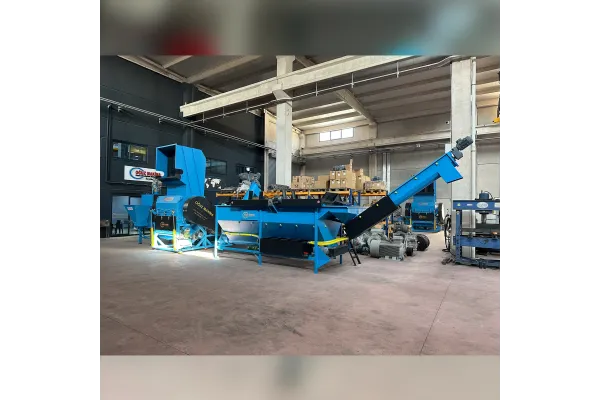
Our Washing Systems, which enable you to obtain high-purity raw material for your production line by deeply cleaning dirt, mud, heavy industrial oil, and label residues from crushed plastic waste, directly increase the quality of your final granules. Equipped with float-sink tanks that separate different plastic types using the buoyancy of water, and friction washers that dislodge stubborn dirt through mechanical impact, these systems provide a continuous cleaning operation while minimizing your facility's water consumption and operating costs thanks to their intelligent water circulation.
-
Plastic Drying & Cleaning Systems
Drying and Cleaning Systems
Our Drying and Cleaning Systems, which remove water and moisture from wet plastic waste coming out of the washing process with minimal energy consumption, perfectly prepare your material for the granulation stage. Unlike traditional thermal drying methods, our high-speed centrifuge technology and mechanical horizontal squeezer machines physically expel water using centrifugal and squeezing forces, radically reducing your facility's electricity costs. Easily integrated into your production line, these highly efficient systems bring the material's moisture content down to ideal levels, increasing the stability of your extrusion line and elevating the final granule quality to its peak.
-
Conveying & Transfer Systems
Conveying & Transfer Systems
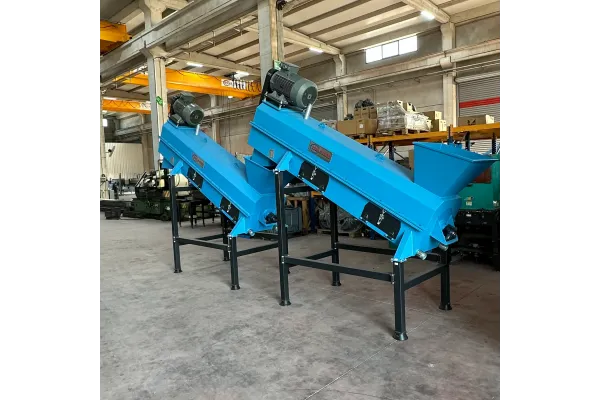
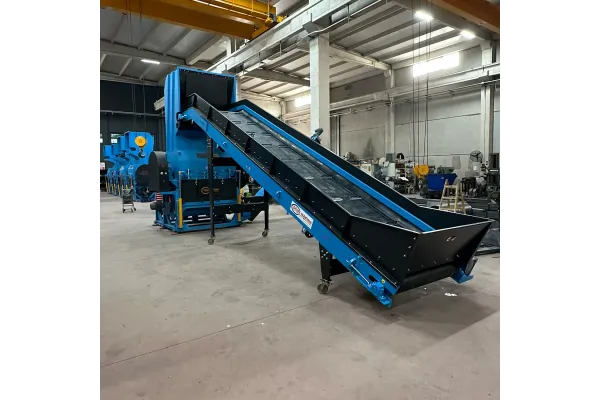
Our Conveying Systems, designed to ensure a seamless and safe material flow in your recycling facility, form the lifeblood of your fully automated production line. Our stationary or mobile conveyor belts, which can be custom-manufactured according to your facility's physical layout and the volume of the product processed, transfer heavy waste between machines with minimal labor. Thanks to the optional magnetic metal separator that can be integrated into the system, it automatically filters out unwanted iron and metal particles from the conveyed material, protecting your granulator blades from potential damage. Providing maximum compatibility with your production line, these durable systems maximize the speed, efficiency, and safety of your recycling operations.
-
2 IN 1 Compact
-
DOCUMENTS
 We Prioritize CertificationWe place international accreditation standards at the core of our operational processes and meticulously manage our annual certification processes.
 Quality Extending from Türkiye to the WorldWith the consciousness of offering high-standard products and services, we continuously improve our production processes within the framework of total quality management principles.