TR
TR EN
EN RU
RU DE
DE AR
AR FR
FR


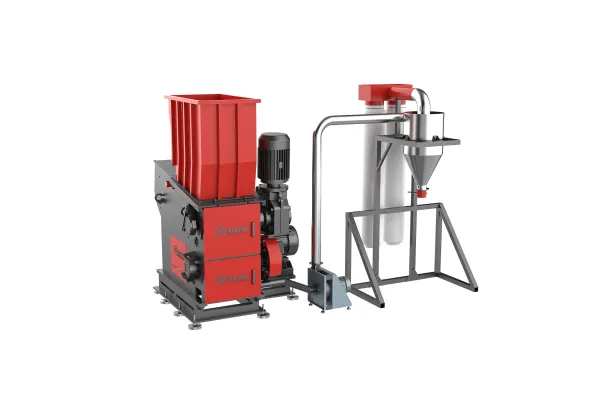
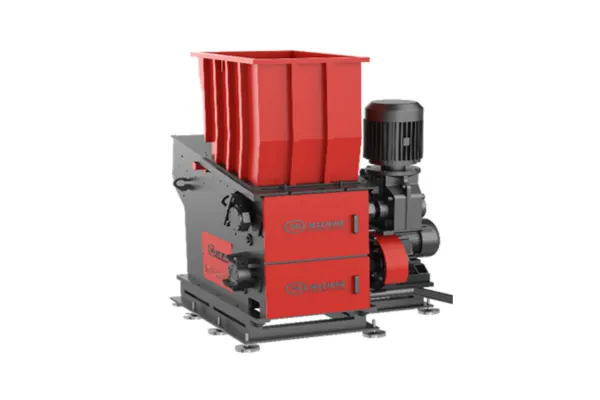


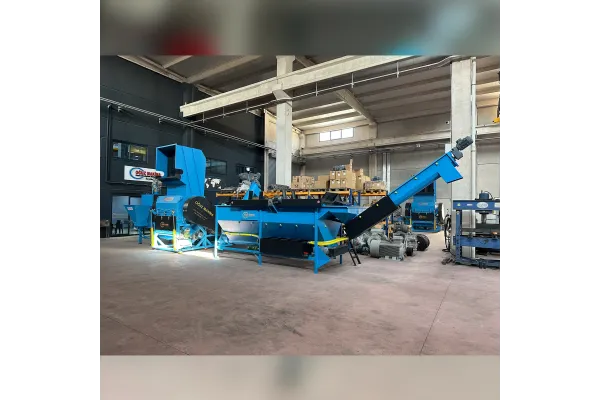


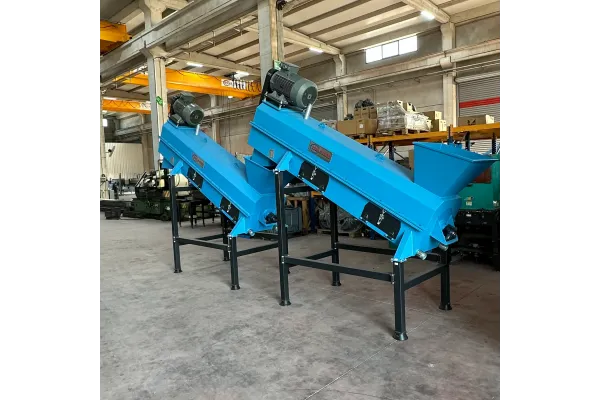


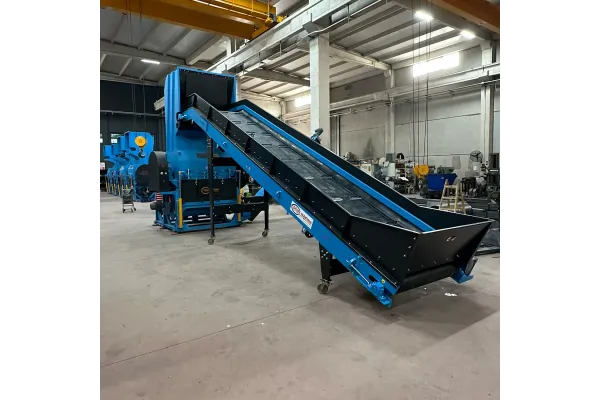


Single Shaft Shredder Technologies and Industrial Shredding Solutions
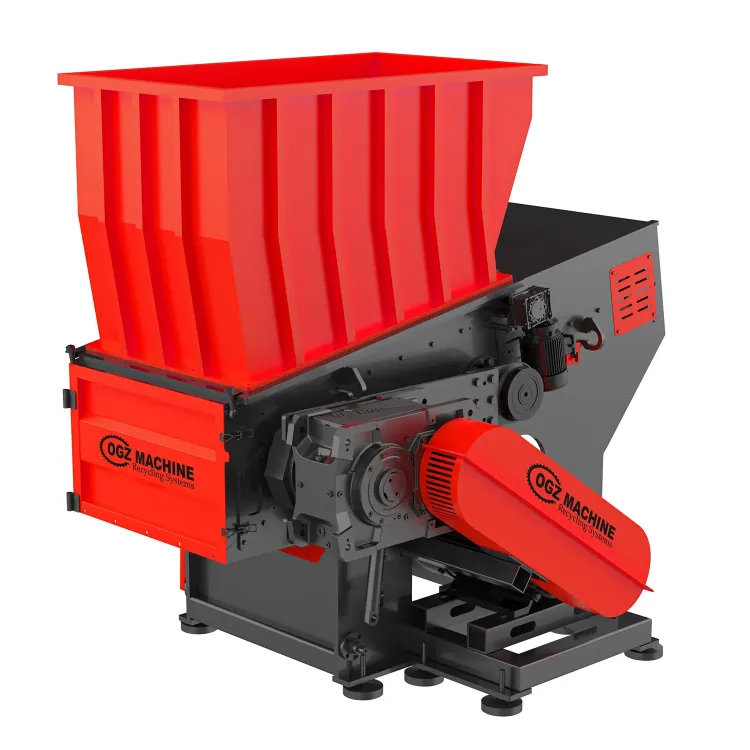
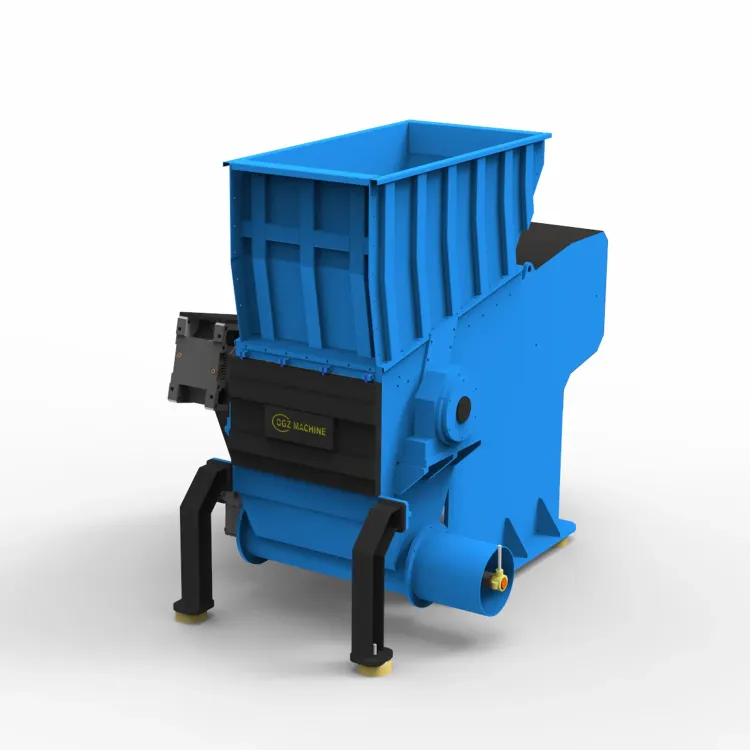
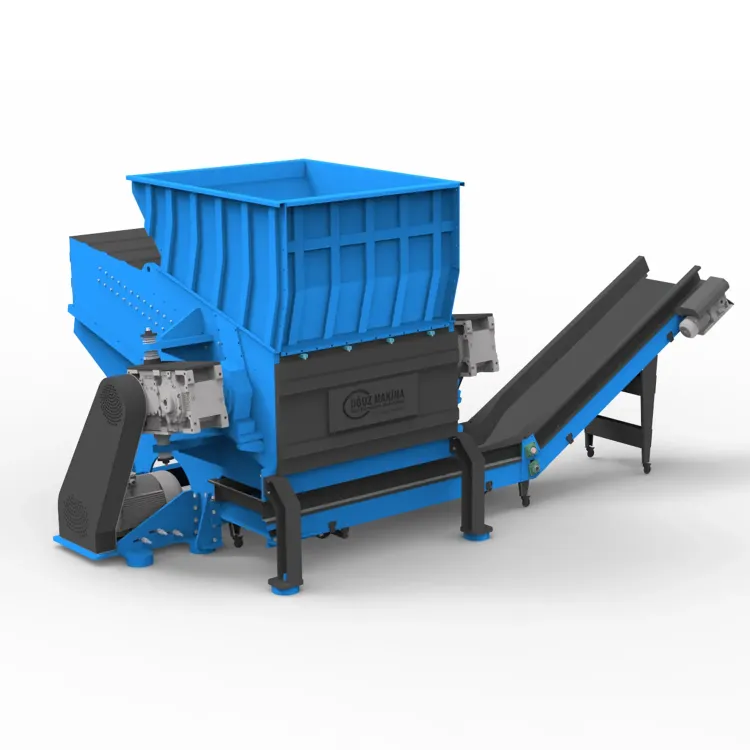
Single Shaft Shredder systems, the most reliable link in size reduction processes within plastic recycling, are unrivaled in processing tough and high-density waste. These machines are used for the first-stage shredding of thick-walled blocks, pipes, automotive parts, and rigid plastics that granulators struggle with. Produced with the engineering experience of Oğuz Makina, our single-shaft shredders operate on the principle of low speed and high torque, providing your business with maximum efficiency and minimum operating costs.
1. Single Shaft Shredder Working Mechanism
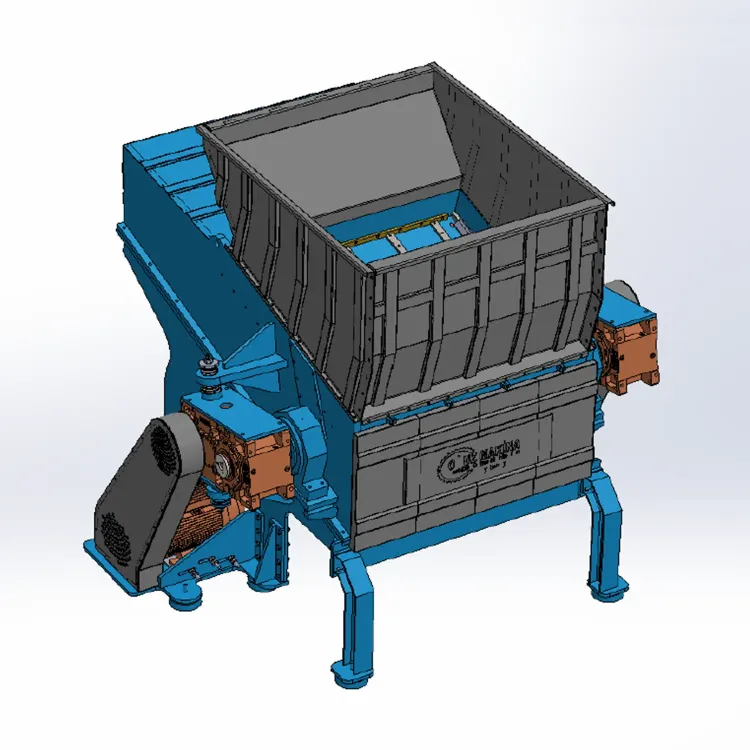
The working logic of single-shaft shredders is based on a hydraulic pusher unit (ram) pushing the material toward the rotor and the blades on the rotor meeting stationary blades to reduce the material through a tearing-cutting method.
Hydraulic Pusher Unit: Manages the material's contact with the rotor via intelligent sensors. When the rotor load increases, the pressure retracts, preventing motor stress and ensuring continuous flow.
Low Speed, High Torque: Single-shaft systems generally rotate at low speeds, such as 60-100 RPM. This minimizes dust formation, reduces noise levels, and keeps wear rates at the lowest level.
Exchangeable Blade Tips: The blades on the rotor are designed with four corners. When one corner dulls, the blade can be rotated to use the other sharp corners, reducing blade costs by fourfold.
2. Why Choose a Single Shaft Shredder?
Versatility is the greatest advantage of this category. Single-shaft shredders show high performance not only in rigid plastics but also in paper, wood, and textile waste.
Technical Advantages and Capacity Increase
Precise Sizing: Thanks to the screen system located directly under the rotor, the material is ensured to exit the line only when it reaches the desired size. This creates a homogeneous input for the next stage, the granulator.
Energy Efficiency: The use of high-torque gearboxes prevents the motor from drawing excessive current even under heavy loads, optimizing the electricity cost per ton.
Rigid Chassis Structure: The reinforced steel chassis dampens the vibration generated during heavy operations and extends bearing life.
3. Processable Material Groups and Application Areas
Single-shaft shredders are the "joker" machines of recycling facilities capable of processing anything:
Plastic Purges: Faulty prints and heavy plastic masses emerging from extrusion or injection machines.
Thick-Walled Pipes: HDPE water pipes and PVC drainage pipes.
Film and Baled Waste: Baled LDPE greenhouse nylon or PP sacks.
Automotive Waste: Bumpers, fuel tanks, and interior plastic components.
4. Criteria to Consider When Choosing a Single Shaft Shredder
Proceeding based on technical specifications rather than just price determines the facility's lifespan.
Rotor Diameter and Length: The rotor should be selected according to the size of the material to be processed. For large-volume waste, a large rotor diameter directly affects efficiency.
Blade Alloy: Special alloy steel blades with high hardness and impact resistance should be preferred.
Cooling System: Water cooling systems that prevent the rotor and bearings from overheating during intense work tempos are offered as an option.
5. Maintenance and Operational Efficiency Tips
Blade Bolt Check: Blade tightness should be checked periodically.
Hydraulic Oil Level: Oil quality should be monitored to ensure the pusher arm works without vibration.
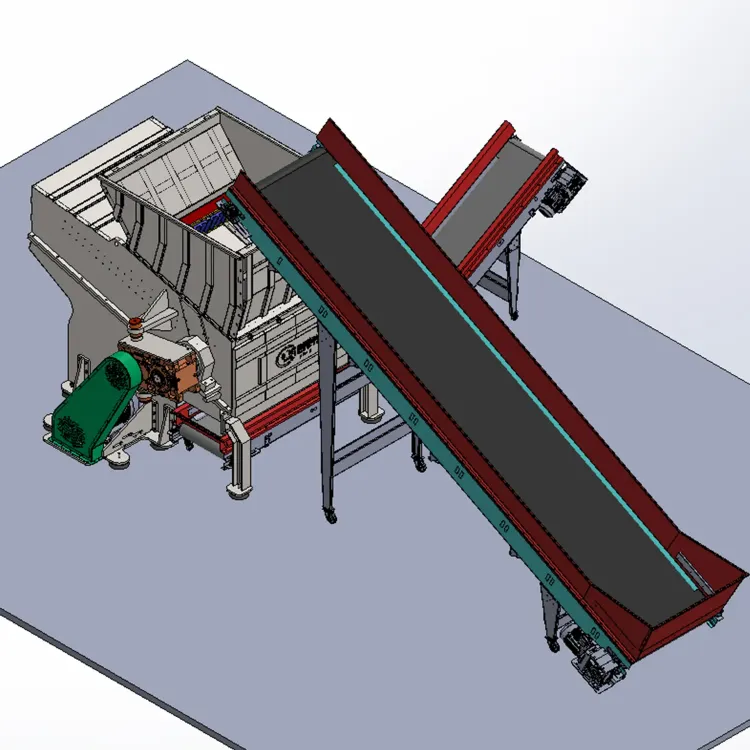
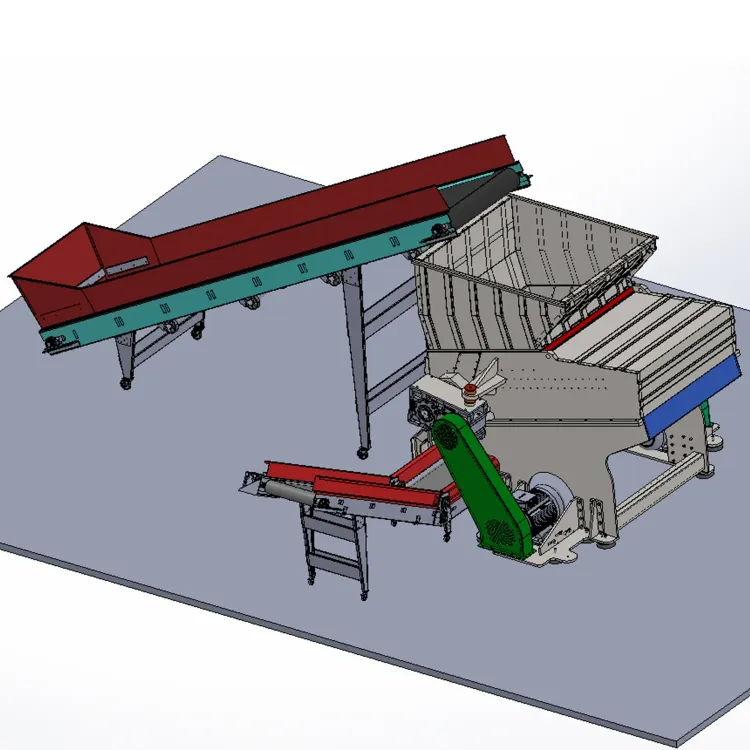
Foreign Object Protection: Powerful magnet systems must be integrated into the feed belt to prevent metal from entering the machine.
Frequently Asked Questions (FAQ)
What is the difference between a single-shaft shredder and a granulator? A single-shaft shredder is used to shred heavy and massive waste at low speed. A granulator reduces these pieces into smaller microns at high speed. The shredder is a pre-processing unit that extends the granulator's life.
Can the screen diameter be changed? Yes. Different screen diameters from 20 mm to 100 mm can be easily applied according to the final flake size you want to produce.
Is it possible to sharpen the blades? Rotating square blades are generally used in single-shaft shredders. When all four corners dull, the blades are replaced with new ones. Stationary blades can be kept sharp by sharpening them at certain intervals.
What happens if the machine clogs? The intelligent control panel continuously monitors motor current. When the rotor hits an obstacle or jams, the system automatically rotates the rotor in reverse (auto-reverse) and continues normal operation after clearing the jam.
Is there protection against wear? If abrasive plastics (polymers with glass fiber, etc.) are to be processed, the rotor surface is armored with hard metal welding to increase wear resistance.