TR
TR EN
EN RU
RU DE
DE AR
AR FR
FR


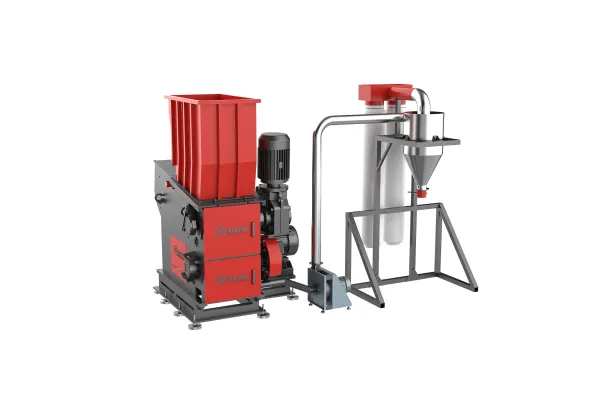
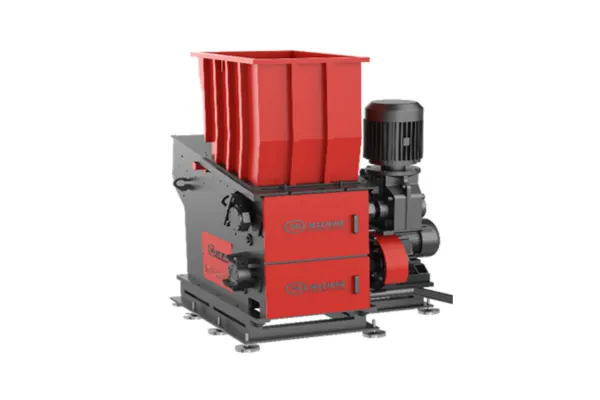


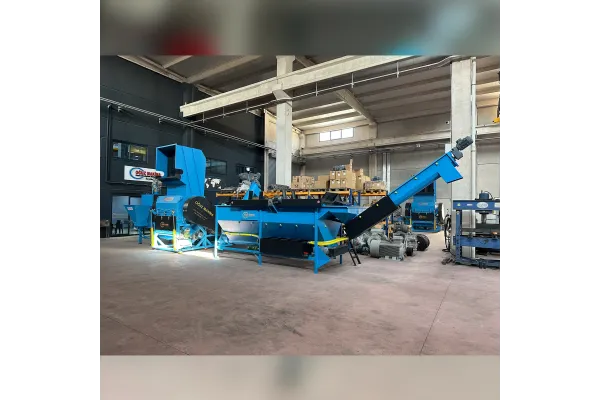


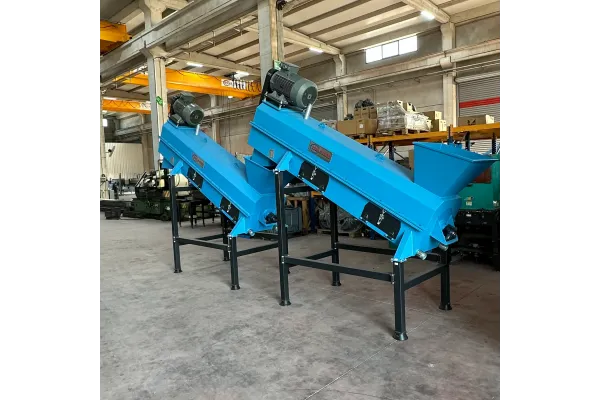


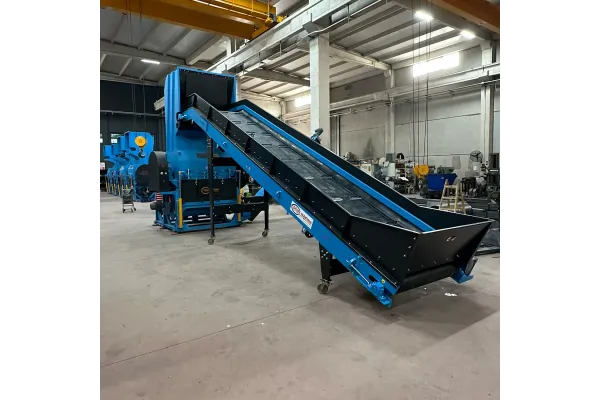


Plastic Granulators: Industrial Size Reduction and Flake Production Technologies
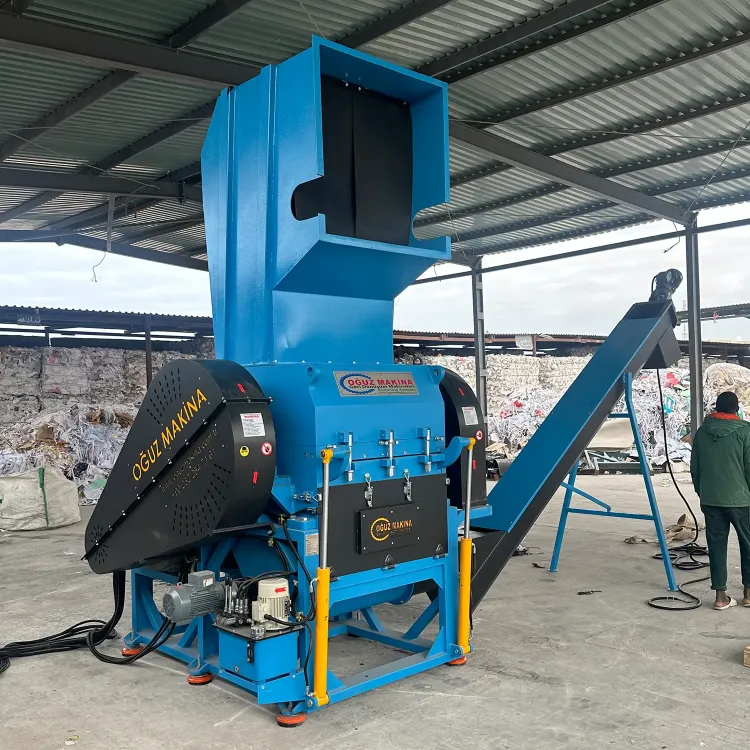
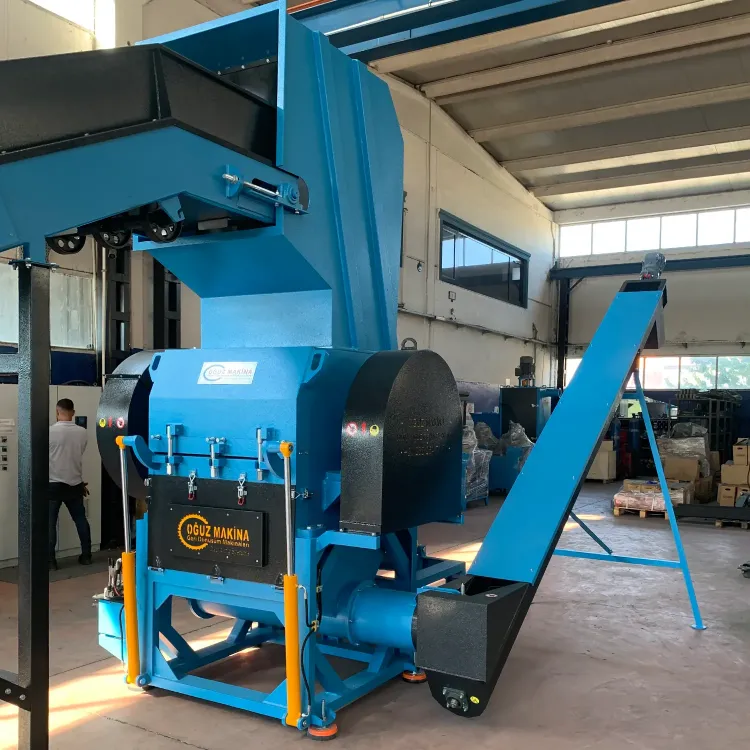
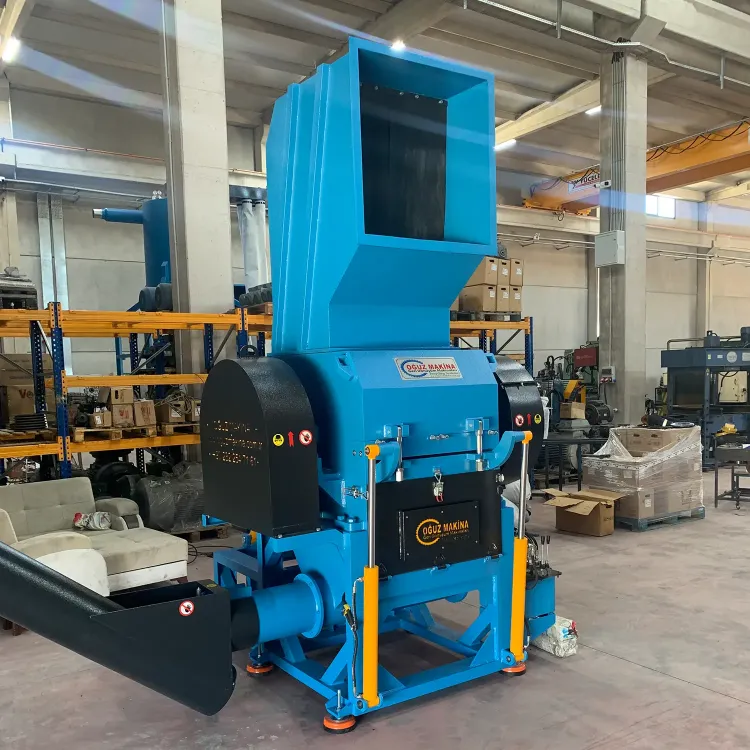
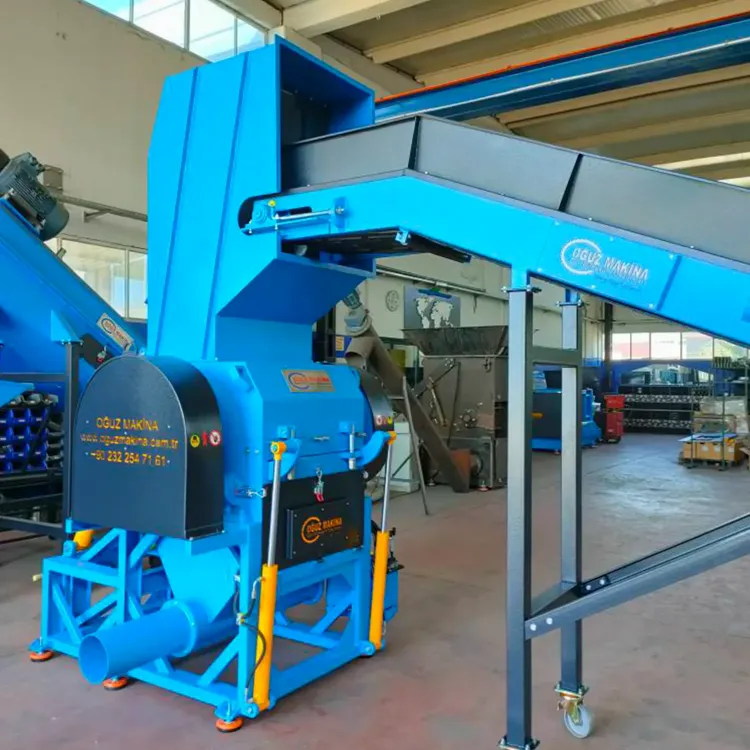
The most critical stage that determines the operational quality of recycling facilities is the precise granulation process applied to prepare plastic waste for the pelletizing phase. Plastic Granulators (Crushers) transform plastic materials—either pre-processed by a shredder or fed directly—into the ideal flake form by shearing them with the help of high-speed rotating rotor blades and stationary blades. Produced with Oğuz Makina's engineering vision, our granulators provide high performance and low operating costs in the recovery of all plastics with different polymer structures such as HDPE, PP, PET, PVC, and LDPE.
1. Granulator Working Principle and Rotor Technologies
The efficiency of granulators is measured by the rotor's rotational speed and the compatibility of the blade geometry with the material to be processed. When material enters the machine chamber, it is shredded by undergoing a shearing effect between the moving blades on the rotor and the fixed blades on the housing.
High-Speed Cutting: Unlike shredders, granulators operate at higher revolutions (RPM). This ensures that even thin-walled plastics are cut into sharp, clean flakes without being crushed.
Optimized Rotor Types: Open rotor designs are available for flexible plastics, and heavy-duty closed rotor designs are available for hard blocks. The rotor structure is designed to provide airflow that prevents the material from heating up.
Adjustable Screen System: The screens located under the rotor determine the final product size. Depending on requirements, screens with different hole diameters ranging from 10 mm to 50 mm can be easily swapped.
2. Granulation Strategies According to Material Group
Each plastic type differs in terms of physical resistance. Correct machine configuration is essential for an efficient granulation process.
Rigid Plastics and Purge Group (HDPE, ABS, PS): For thick-walled injection waste, pipes, and rigid plastic blocks, high-torque rotors with high impact resistance are preferred. The hardness of the blades and the strength of the fasteners in this group directly affect the machine's lifespan.
Flexible Plastics and Film Group (LDPE, PP, Greenhouse Nylon): The biggest risk when granulating film-type plastics is the material wrapping around the rotor or melting due to friction. Oğuz Makina granulators ensure films are processed into flakes at high capacity without heating, thanks to special blade angles and optional cooled housing.
PET Bottles and Abrasive Groups: PET materials are structurally abrasive, which can quickly dull blades. Producing the blades used in this category from special alloy steels and coating the rotor with an anti-wear layer minimizes maintenance costs.
3. Technical Advantages: Energy Efficiency and Durability
A modern granulator is not just a machine that shreds; it is a machine that provides economic added value to the business.
Low Energy Consumption: The optimized pulley and flywheel structure balances the motor's load during start-up and operation. This maintains high shredding power while keeping energy consumption at the lowest possible level.
Easy Blade Adjustment: The ability to pre-set blades outside the machine radically shortens blade replacement times and prevents production downtime.
Water-Cooled Bearings and Housing: Integrated water-cooling channels that prevent the bearings and the cutting chamber from overheating are offered as standard or optional for lines running 24/7.
4. Safety and Noise Control
In accordance with occupational safety and environmental standards in industrial facilities, granulators must provide a comfortable working environment.
Sound Insulation: Soundproof cabins and double-walled feeding hoppers are used to minimize high noise levels.
Safety Sensors: Mechanical and electronic safety switches are present, ensuring the rotor stops within seconds when the hopper is opened or in emergencies.
Vibration-Dampening Chassis: The strong steel construction absorbs vibration during operation, reducing the load on floor connections.
5. Maintenance and Blade Life in Granulators
Operational steps to ensure consistent efficiency:
Regular Sharpening: Granulation with dull blades can reduce capacity by up to 50% and causes the motor to draw excessive current.
Magnet Usage: Strong magnets placed at the feed inlet prevent blades from breaking or getting damaged due to metal contaminants.
Cleaning and Color Change: The easy-open hopper design offers quick cleaning for material and color changes.
Frequently Asked Questions (FAQ)
What criteria should be considered when choosing a plastic granulator? First, the type of plastic to be processed (rigid/flexible), hourly target capacity, and the input size of the material must be determined. Based on this data, the most suitable rotor structure and motor power are selected.
How often should blades be sharpened? The frequency of sharpening depends on the impurity level of the processed plastic and the polymer type. While sharpening intervals can reach 200-300 hours for clean plastics, this time may be shorter for dirty and abrasive plastics.
What is the difference between a granulator and a shredder? Shredders are used to break down coarse and large pieces at low speeds. Granulators are used to reduce pieces coming out of a shredder or medium-sized parts into final, small-sized flakes prior to pelletizing at high speeds.
Does the screen diameter affect capacity? Yes. As the screen hole diameter decreases, the material's residence time in the machine increases, which reduces hourly capacity. The balance between capacity and size must be optimized according to business needs.
Do you provide spare parts support? As Oğuz Makina, we keep spare parts such as blades, screens, bearings, and belts for all our granulator models in stock. We minimize facility downtime with our fast service team.