 TR
TR EN
EN RU
RU DE
DE AR
AR FR
FR










Everywhere You Look: Comprehensive Information About Polypropylene (PP) Plastic
From the yogurt container in your refrigerator to the bumper of your car, and from the carpet in your home to your baby's bottle, many products share a common hero: Polypropylene (PP). Recognized by the number "5" inside the recycling symbol, this material is the second most widely used type of plastic in the world.
What is Polypropylene (PP)?
Polypropylene is a thermoplastic polymer obtained by combining propylene monomers. First synthesized in 1954, this material has rapidly gained popularity due to its low cost and superior physical properties.
What Are the Prominent Features of Polypropylene?
High Heat Resistance: PP has a higher melting point than many other plastics. This feature makes it ideal for microwaveable storage containers and dishwasher-safe products.
Chemical Resistance: It is highly resistant to many chemicals such as acids, bases, and solvents. It is an excellent choice for laboratory equipment and cleaning product packaging.
Lightweight and Strength: Despite its low density, it is quite robust and durable. It allows for the production of products that are both lightweight and impact-resistant.
Fatigue Resistance: PP is incredibly resistant to bending and flexing. Hinged lids that can be opened and closed millions of times are often made from a single piece of PP.
Food Safety: PP does not contain Bisphenol A (BPA) and is considered one of the safest plastics for food contact.
Where is Polypropylene (PP) Used?
Packaging Industry: Yogurt and margarine tubs, chip bags, bottle caps, microwaveable containers.
Automotive Sector: Bumpers, dashboards, door panels, and battery cases.
Household Goods and Textiles: Plastic chairs, carpet backings, thermal underwear, masks, and kitchen utensils.
Medical Materials: Syringes, test tubes, and sterilizable medical products.
Is PP Plastic Recyclable?
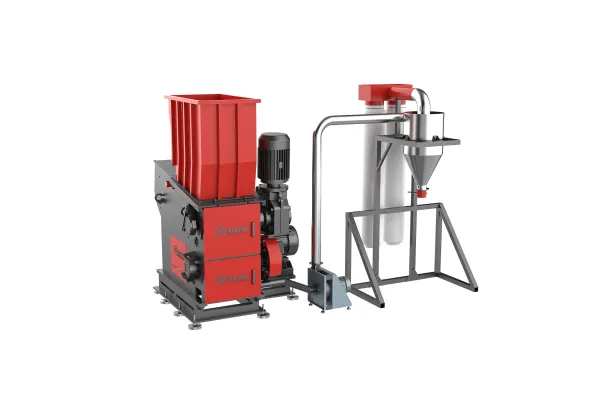
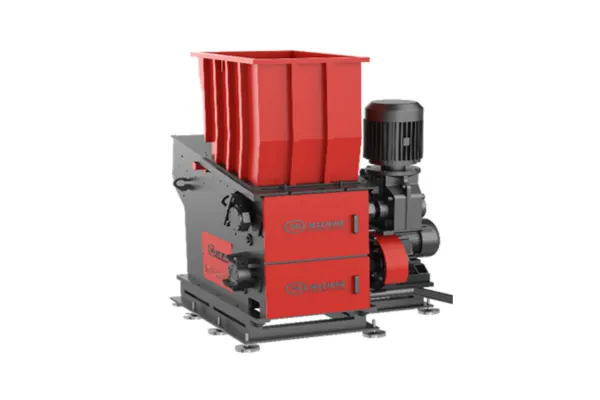
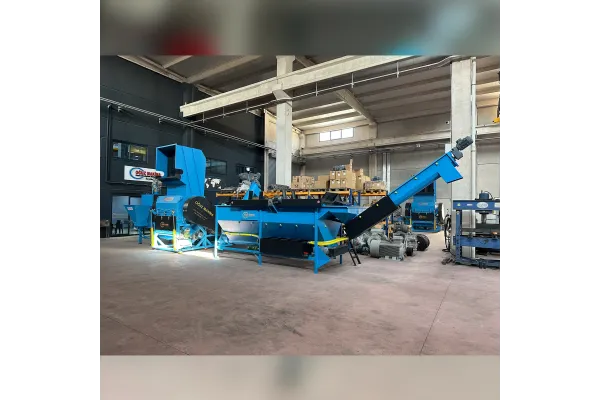
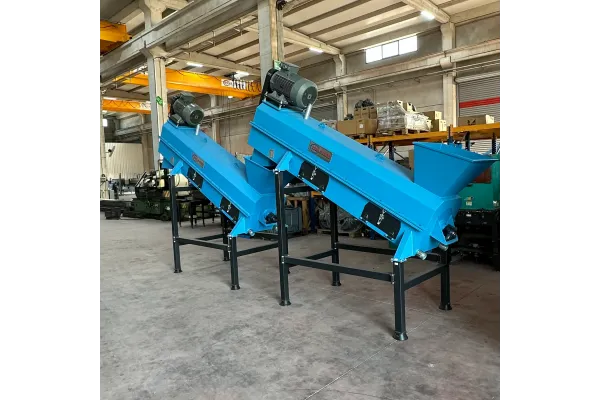
Yes, PP (No. 5) is a recyclable plastic. The process consists of the following steps: Collection and Sorting, Crushing and Cleaning, Melting, and Pelletizing. Recycled PP (rPP) is used in the manufacture of products such as car parts, garden tools, and pallets.
Advantages and Disadvantages
Advantages: High heat and chemical resistance, lightness, excellent fatigue resistance, being BPA-free, and being recyclable.
Disadvantages: Sensitivity to UV rays, potential to become brittle at low temperatures, difficulty in bonding with some adhesives, and the labor-intensive nature of painting it.
Conclusion
Polypropylene (PP) is one of the most important materials shaping modern life due to its low cost and durability. We encounter it everywhere, from a simple yogurt container to medical devices. As consumers, our duty is to contribute to the circular economy by recycling PP products correctly.