 TR
TR EN
EN RU
RU DE
DE AR
AR FR
FR








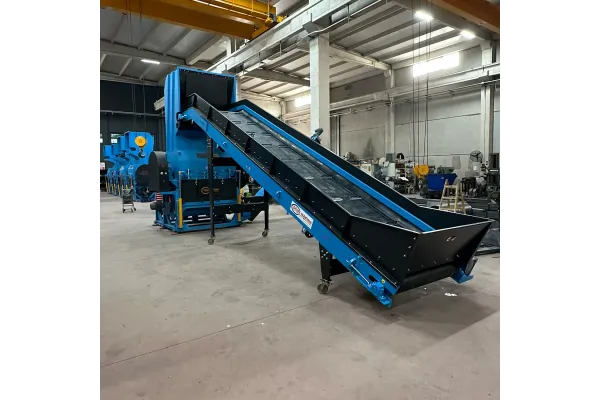


Plastic Crushing and Recycling Processes: A Responsible Step Towards the Future
Millions of tons of plastic waste are generated worldwide every year. Ensuring that this waste does not harm nature and is reintroduced into the economy is of vital importance for a sustainable future. At this point, plastic crushing and recycling processes play a key role in both fulfilling our environmental responsibilities and providing economic benefits.
What is Plastic Crushing?
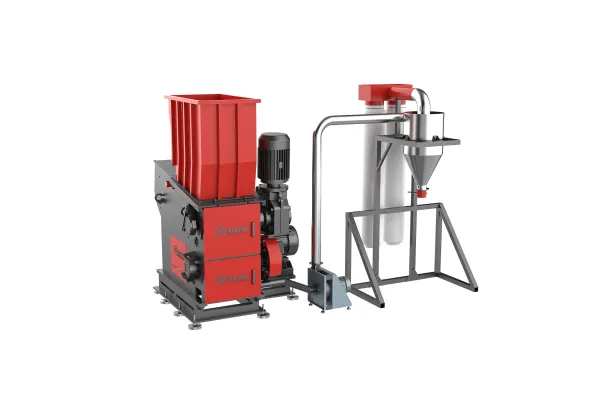
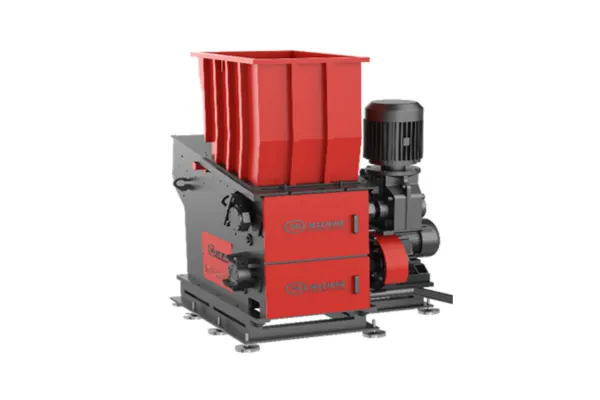
Plastic crushing is the process of physically breaking down plastic materials to be recycled into smaller pieces. Through this process, plastic waste is prepared for subsequent recycling steps. It is generally carried out using granulators (crushing machines).
Plastics that are subjected to the crushing process:
Packaging and Bottles: PET and HDPE bottles.
Industrial Parts: Plastic crates, containers, pipes, and automotive plastic parts.
How Does the Recycling Process Work?
Collection and Sorting: Plastic waste is collected and separated according to its type (PET, PE, PP, etc.).
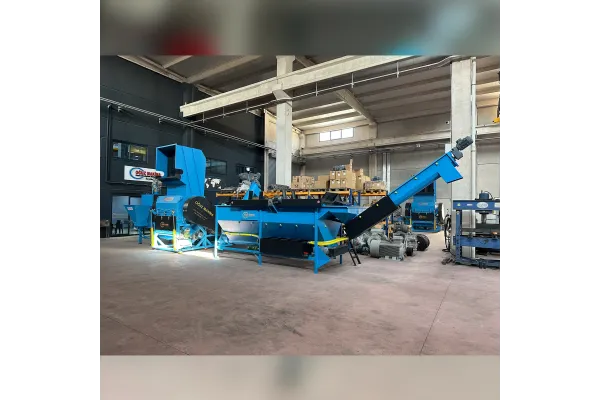
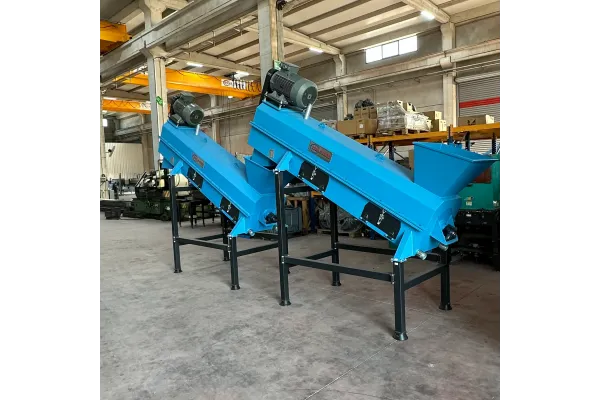
Washing: It is cleared of residues such as dirt, labels, and adhesives.
Crushing: Washed plastics are shredded to be turned into granules.
Extrusion and Granulation: The crushed plastics are melted and converted back into granule form.
Production of New Products: The resulting granules are used as raw materials in the production of various plastic products.
Why is it Important?
Protects the Environment: Reduces the amount of plastic that would otherwise mix into nature.
Saves Energy: Consumes much less energy compared to the production of new plastic.
Contributes to the Economy: Waste is utilized as raw material again, and the recycling sector creates new employment areas.
Plastic crushing and recycling processes are one of the cornerstones of an economy growing with environmental awareness. Support for these processes by every individual and institution is the key to leaving a livable world for future generations.