 TR
TR EN
EN RU
RU DE
DE AR
AR FR
FR








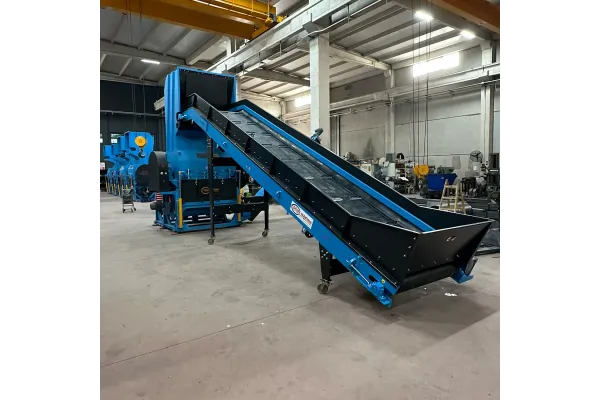


What is Plastic Crushing? Its Role and Advantages in Recycling
Plastic has become one of the indispensable materials of modern life. It appears in every area of our lives, from packaging to automotive parts, household appliances to toys. However, this intensive use brings with it a serious waste problem. This is where plastic crushing machines come into play.
What is Plastic Crushing?
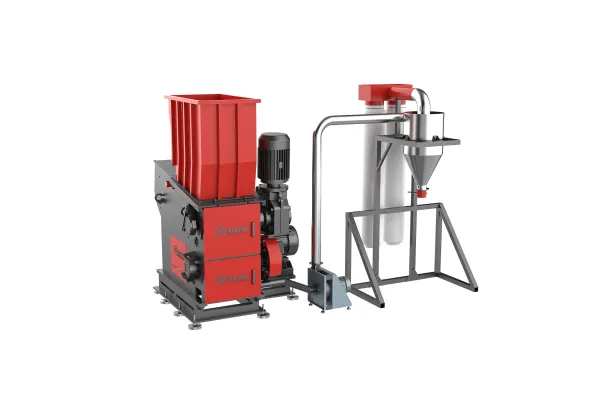
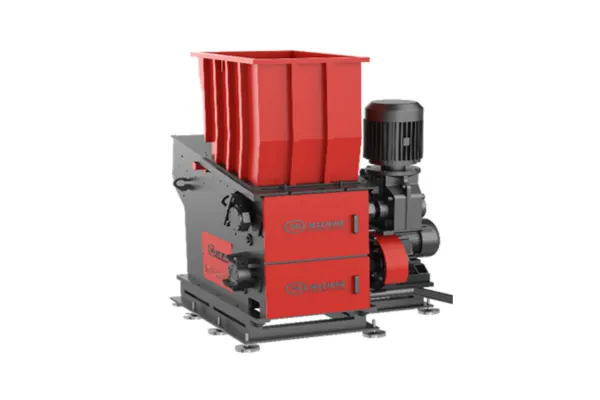
Plastic crushing is the process of breaking waste plastic materials into smaller pieces through mechanical means. This process is one of the first and most important steps in the recycling process. Thanks to crushing machines, plastic waste is converted into granules and made ready for use in reproduction.
How is the Plastic Crushing Process Performed?
Sorting: Plastics arriving at the recycling facility are separated according to their types.
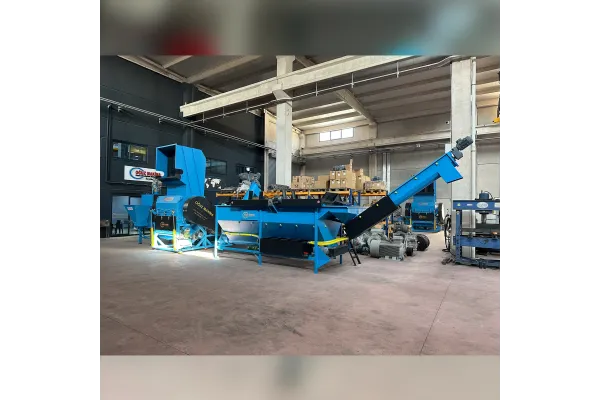
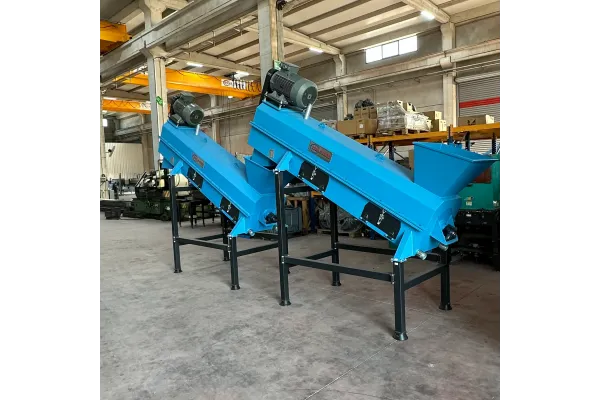
Washing: Plastics are cleared of dirt, oil, and labels.
Crushing: The material taken into the plastic crushing machine is broken into small pieces thanks to rotating blades.
Granulation: The crushed plastic pieces are melted in extruder machines if necessary and turned into granules.
Which Plastic Types Can Be Crushed?
Plastic crushing machines can work with different types of plastics. These include: PET (water bottles), HDPE (detergent bottles, pipes), PP (refrigerator parts, plastic crates), ABS (electronic housings), and PVC (window profiles, hoses).
Advantages of Plastic Crushing
Eco-Friendly: Prevents waste plastics from mixing into nature.
Economic: Reduces raw material costs.
Energy Saving: Consumes much less energy compared to the production of new plastic.
Sustainability: Contributes to the circular economy.
Which Sectors Need Plastic Crushing Machines?
Recycling facilities, plastic manufacturers, injection molding factories, the automotive industry, and white goods manufacturers use these machines widely.
Conclusion
The plastic crushing process is a process that provides both environmental responsibility and economic benefit. As one of the indispensable links in the recycling chain, this process forms the basis of the sustainable production approach.