 TR
TR EN
EN RU
RU DE
DE AR
AR FR
FR








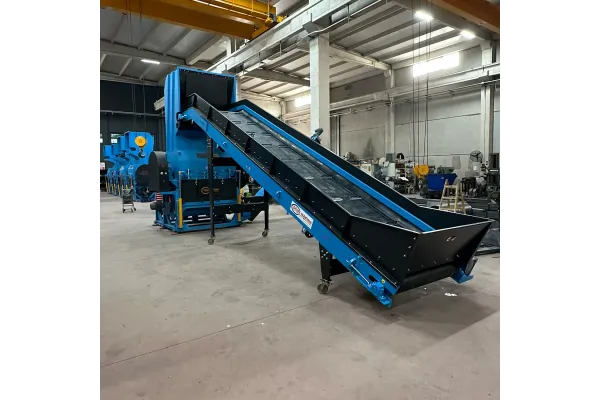


Plastic Granulator Buying Guide
If you want to effectively utilize your plastic waste and increase its recycling potential, choosing the right plastic granulator (crushing machine) is a critical step. In this guide, we will examine the technical specifications, application areas, and points to consider during the purchasing process.
What is a Plastic Granulator?
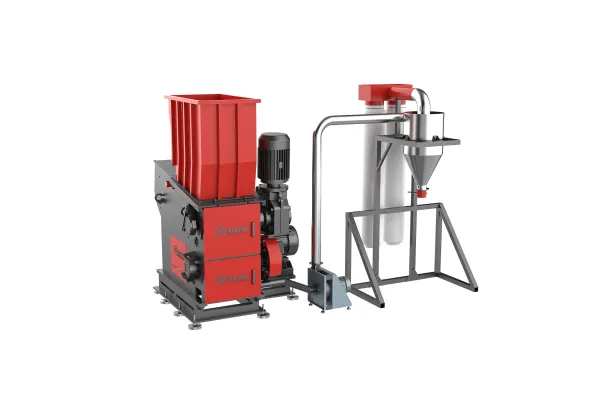
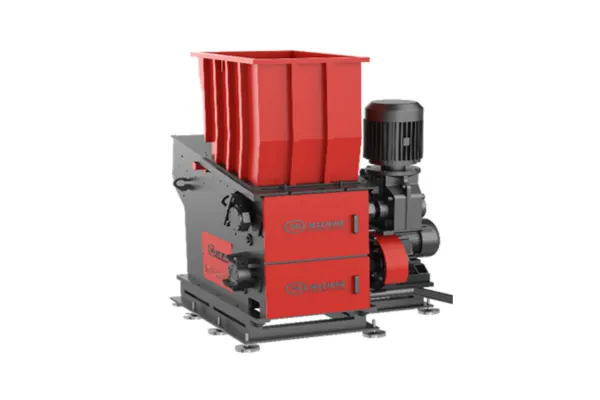
A plastic granulator is an industrial piece of equipment that makes plastic materials suitable for the recycling process by breaking them into small pieces. These machines transform rigid and bulky plastics into granules, flakes, or powder, making them suitable for reprocessing.
Working Principle and Components
After the plastic is placed in the feed hopper, it is cut with the help of rotating blades. The material passes through a screen (sieve) system and exits at the desired size. Its basic components are the motor, rotor, blades, screen, and a durable steel body.
Advantages of a Plastic Granulator
Recycling Efficiency: Increases line performance by making waste quickly and efficiently processable.
Energy Saving: Provides low energy consumption thanks to modern motor systems.
Environmental Contribution: Reduces carbon footprint and decreases the rate of plastic waste.
Application Areas
Material-Based: Used for crushing PE (bags, bottles), PP (automotive parts), PVC (pipes), and PET (soft drink bottles).
Sector-Based: Widely preferred in recycling facilities, automotive spare parts, packaging industry, white goods, and construction sectors.
Technical Specifications and Performance
Capacity: Varies between 100 kg/h and 2000 kg/h depending on the model.
Motor Power: Generally between 5.5 kW and 75 kW.
Rotor Structure: Blades manufactured from hardened steel ensure long-lasting use.
Sound Insulation: In industrial-type machines, the noise level can be kept under control with acoustic cabins.
Selection Criteria and Maintenance
When choosing a machine, work volume, material type, safety equipment, and energy consumption (kWh/ton) should be compared. For long-term use, blade sharpening should be performed after 50-100 hours of operation, motor maintenance every 6 months, and weekly screen cleaning.
Frequently Asked Questions (FAQ)
What does a plastic granulator do? It prepares plastic waste for recycling by turning it into granules.
Which plastics is it suitable for? It can be used for all thermoplastics such as PE, PP, PVC, and PET.
What is the maintenance interval? Daily checks, weekly cleaning, and 6-month general service periods should be applied.
Conclusion
A plastic granulator chosen through correct analysis and planning increases your business's recycling capacity while providing raw material savings in the long run. For sustainable production, the model most suitable for your capacity and material type should be preferred.