TR
TR EN
EN RU
RU DE
DE AR
AR FR
FR




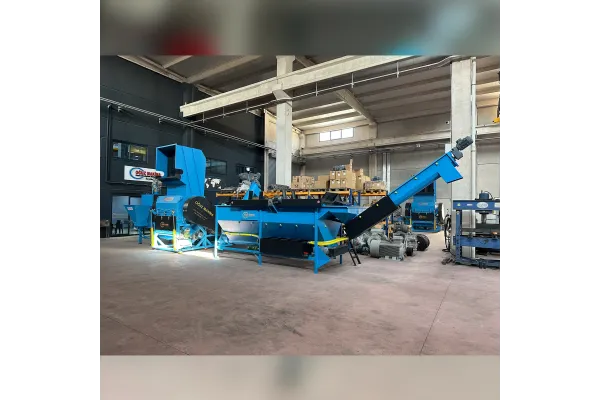


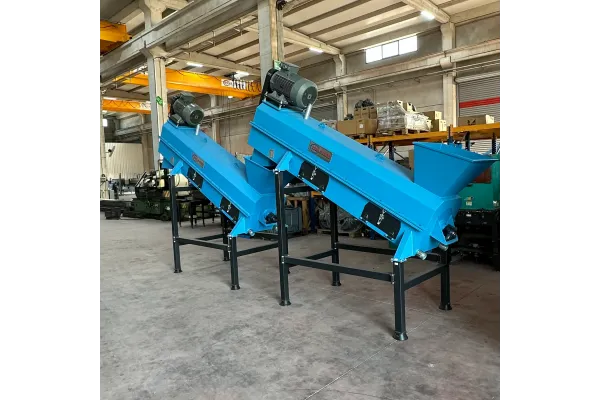


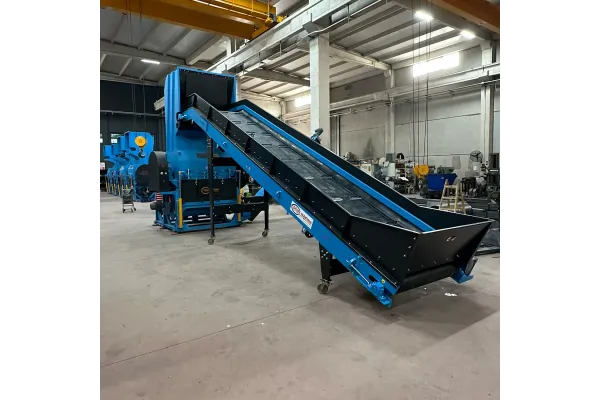


PET Bottle Recycling Lines: High-Purity rPET (Recycled PET) Production
Polyethylene Terephthalate (PET), extensively used in water and beverage bottles as well as food packaging, is indispensable to the modern packaging industry due to its extraordinary transparency, flexibility, and durability. Today, PET is the most recycled type of plastic worldwide. However, converting used, baled PET bottles into quality raw materials that can be reused in the industry is a highly sensitive process that requires heavy engineering.
As Oğuz Makina, the PET Bottle Recycling Lines we design and install on a turnkey basis transform dirty and mixed waste bottles into rPET flakes at international quality standards (e.g., 99.5% purity and above). These high-quality flakes you produce can be safely used in polyester fiber production, the packaging industry, or, after correct food-compatibility processes, directly in "bottle-to-bottle" applications.
Global rPET Market and New Legal Requirements (2025 - 2030)
Investing in PET recycling is no longer just an environmental initiative; it is a highly profitable industrial move supported by global laws. The global recycled PET (rPET) market is projected to reach approximately 14.3 billion dollars by 2026 and is expected to grow to 25.9 billion dollars by 2033.
Particularly under the European Union's Single-Use Plastics Directive (SUPD), PET beverage bottle manufacturers are required to use 25% recycled rPET in their packaging by 2025, and 30% by 2030. These mandatory usage targets—ranging between 30% and 50% in national and international industry—have driven the global demand for quality, clean rPET flakes to an unprecedented level. This legal infrastructure completely eliminates market access issues for a recycling facility that produces according to standards.
Stages and Technical Challenges of the PET Bottle Recycling Process
The recycling process for PET bottles requires a much more complex machinery track compared to other standard plastic types like polyethylene (PE) or polypropylene (PP). To obtain a flawless output material, our production line performs the following basic operations in seamless harmony:
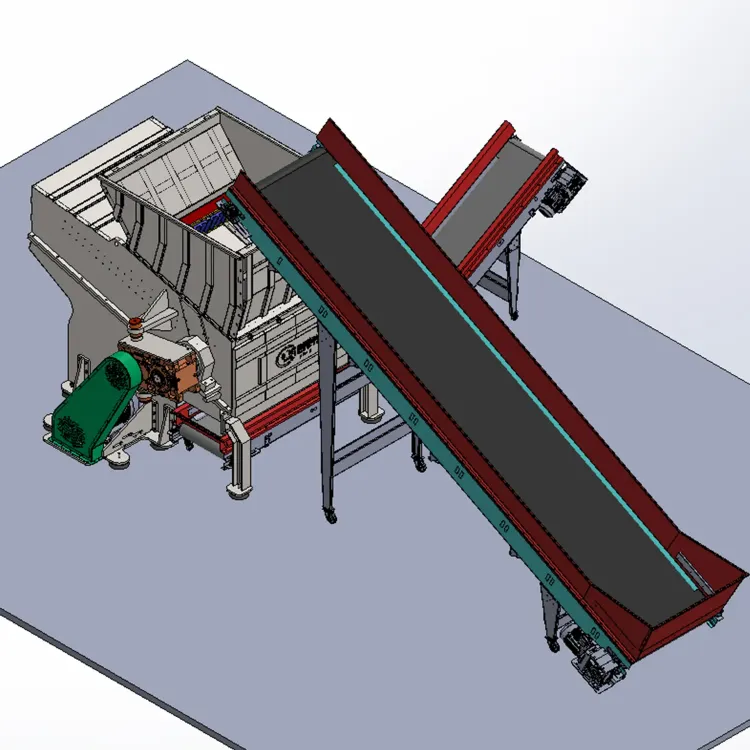
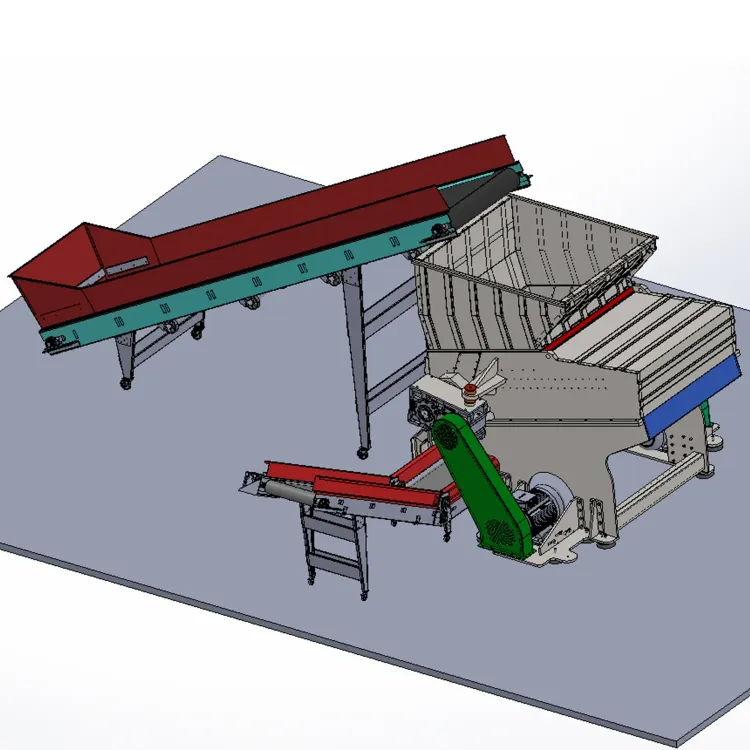
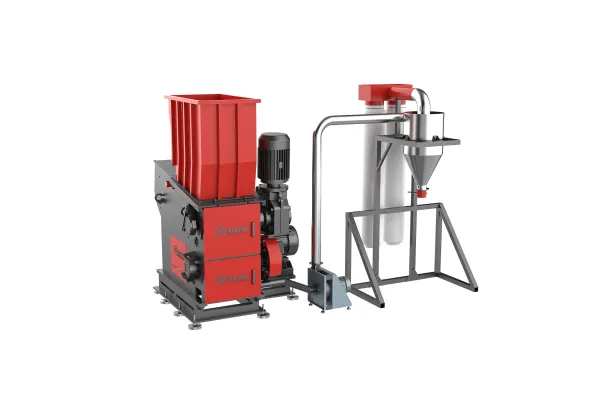
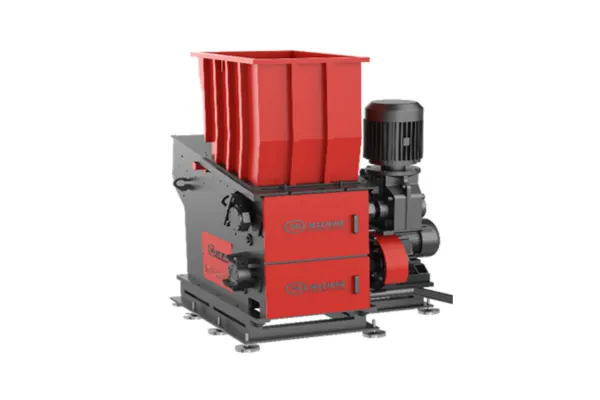
Crushing and Size Reduction (Granulation): Baled bottles are fed through conveyors to heavy-duty PET shredders. Thanks to special alloy blades resistant to wear, PET bottles are shredded into extremely homogeneous sizes to become flakes.
Pre-Washing and Density-Based Separation: The specific gravity of PET polymer is greater than water, so it sinks. Conversely, PE/PP plastics used in bottle caps and rings, as well as labels, have a lower density than water and remain on the surface. Oğuz Makina sink-float tanks utilize this density difference to perfectly separate PET material from caps, labels, and other light contaminants.
Hot Washing and Friction Washing: The most critical component of the PET recycling line is the Hot Washing Tank. Stubborn label adhesives, organic contaminants, and oils on PET flakes are softened and removed in these tanks, where temperatures are quickly raised to the 90-100°C range with the help of chemical components. High-speed friction washers integrated into the system clean the material thoroughly through mechanical impact.
Rinsing, Dewatering, and Thermal Drying: rPET flakes, now free of chemicals, pass through our mechanical centrifuge systems and vertical/horizontal dewatering machines to remove coarse water at high speeds. In the final stage, the system dries the material to reach the ultra-low moisture levels required by the extrusion process and transfers it to storage silos.
The Cost of Incorrect Equipment Selection
In industrial purchasing decisions, choosing an incorrect or incomplete PET washing line configuration directly (and negatively) impacts the business's operating costs for the next 10 years. Wrong capacity planning or the use of insufficient hot washing units causes residual PVC, polyolefin, or metal contaminants in the resulting flake to exceed standards. Material with reduced purity is rejected by high-profit-margin buyers such as the beverage industry or the fiber sector.
Turnkey and Energy-Efficient Facilities with Oğuz Makina
Your facility's "Total Cost of Ownership" (TCO) and "Return on Investment" (ROI) metrics form the foundation of our engineering philosophy. Supported by industrial automation, Oğuz Makina PET lines minimize manual labor costs.
Sensor-supported smart motor drivers (inverters) detect instantaneous fluctuations in production capacity and balance the electrical energy consumed by the system, preventing unnecessary energy consumption and providing massive savings per megawatt. Regardless of your facility's production scale (e.g., a commercial start-up of 500 kg/hour or massive capacities exceeding 4,000 kg/hour), Oğuz Makina is your most reliable technology partner in PET recycling with its heavy-duty design suitable for 24/7 operation and low maintenance costs.
You can contact our sales engineers to modernize your existing facility, elevate your rPET flake purity rate to its peak, or plan a turnkey PET recycling line project from scratch, and request capacity and layout reports tailored to your factory.