TR
TR EN
EN RU
RU DE
DE AR
AR FR
FR


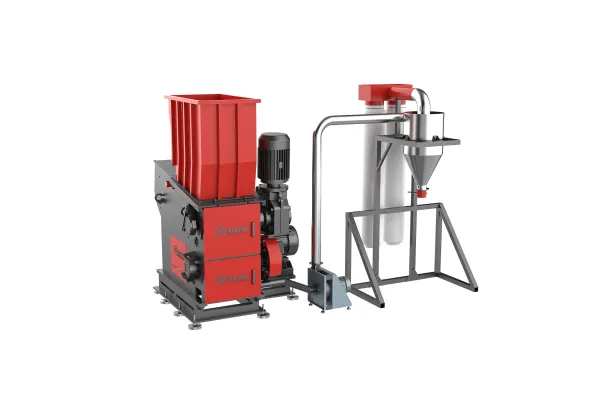
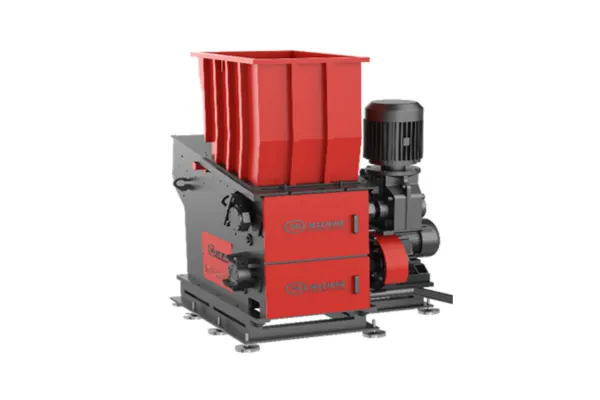


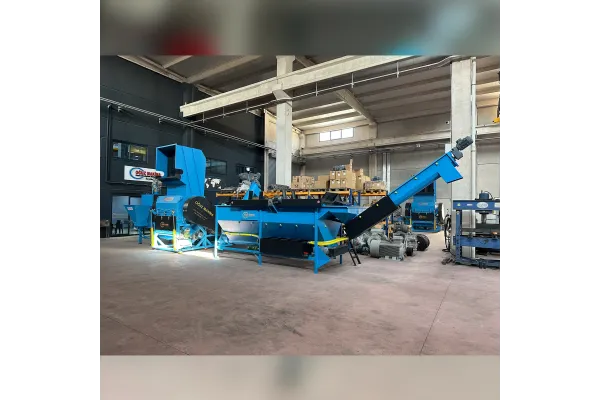


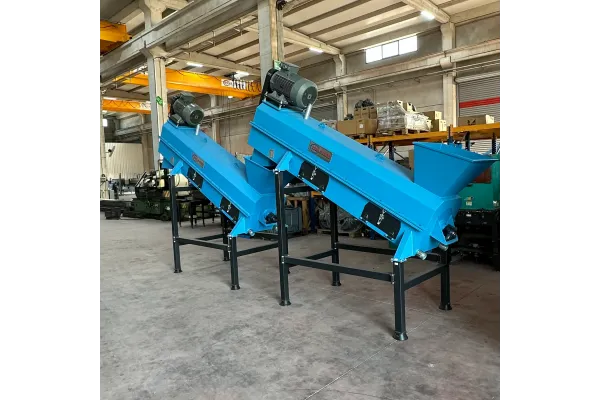


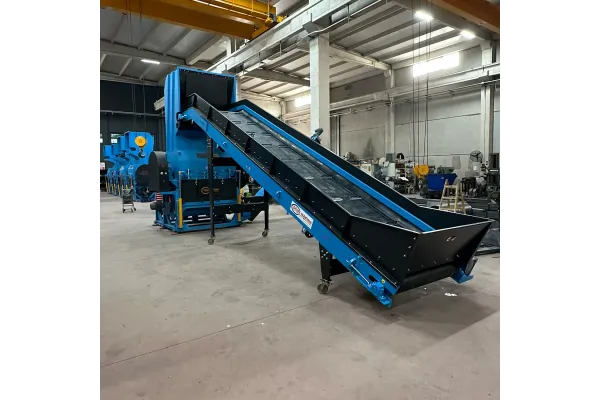


What are Recycling Machines? Recycling machines are industrial systems that enable the transformation of waste materials into reusable raw materials. They contribute to the economy without harming the environment by separating different materials such as plastic, metal, glass, paper, and electronic waste. Thanks to these machines, both natural resource consumption decreases and waste management becomes more sustainable.
The Importance of Recycling Machines Today's increasing population and consumption habits have brought waste quantities to serious levels. Recycling machines play a critical role at this point. Their main advantages are:
Ensures the protection of natural resources
Provides energy savings
Reduces waste quantity
Prevents environmental pollution
Provides recovery to the economy Especially for industrial facilities, these machines are both an eco-friendly and cost-reducing investment.
Types of Recycling Machines The recycling process requires different machines depending on the material used. The most commonly used machine types are:
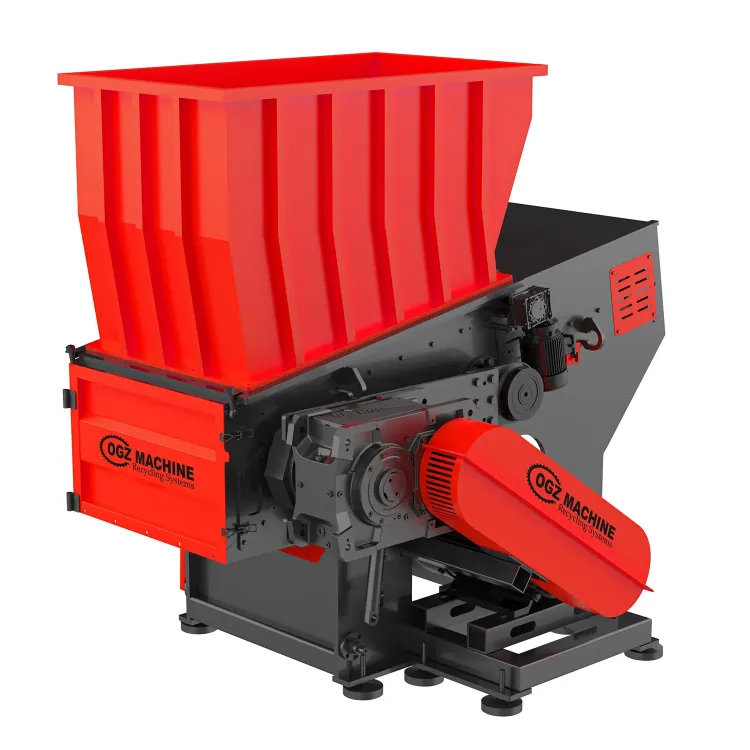
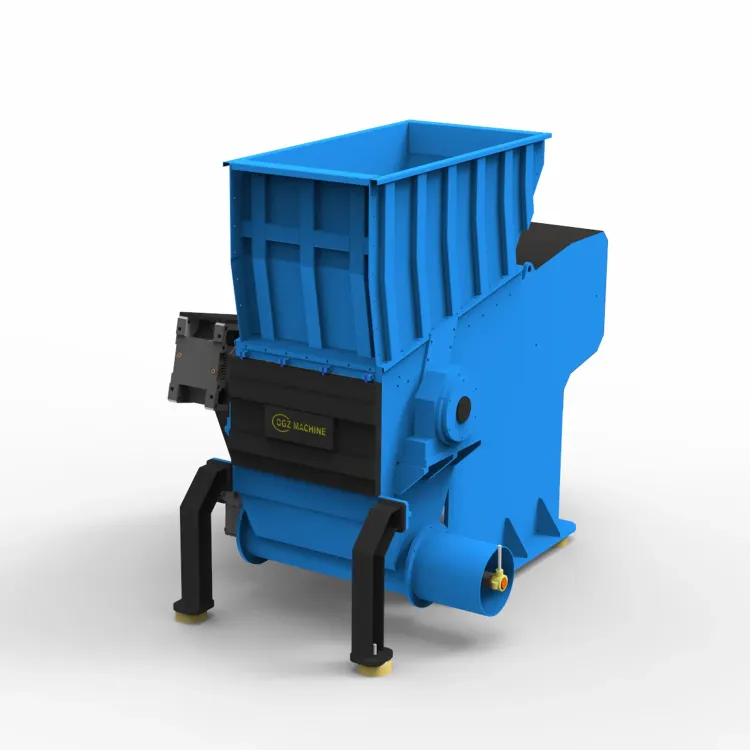
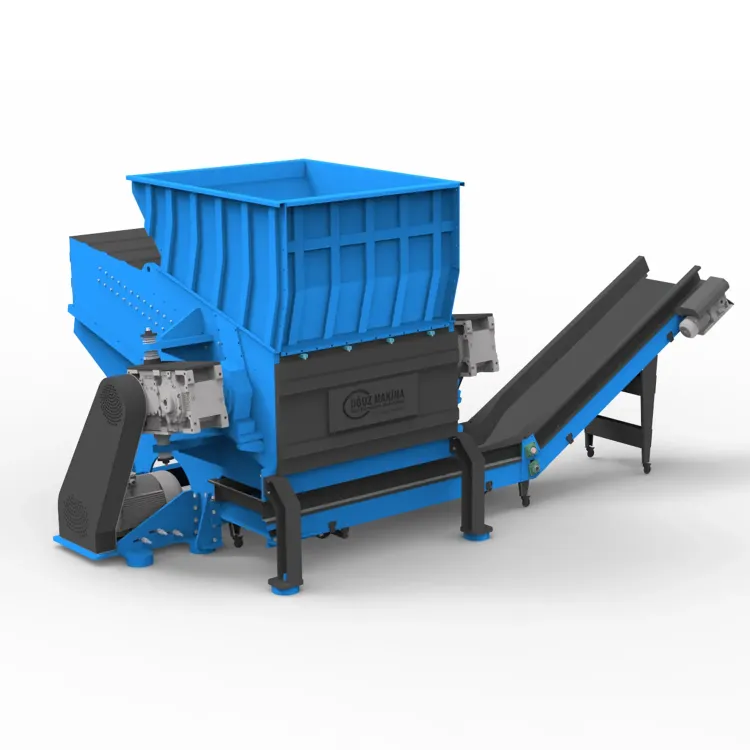
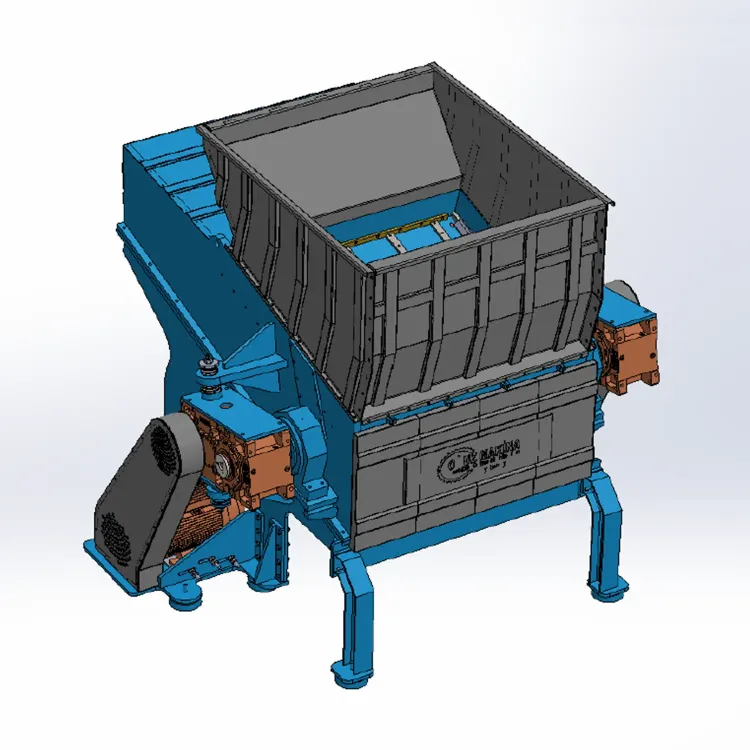
Plastic Recycling Machines: Perform the processes of shredding, washing, and granulating plastic waste. They are among the most widely used systems.
Paper Recycling Machines: Prepare waste paper for paper production again by turning it into pulp.
Metal Recycling Machines: Enable the separation and compression of metals such as iron and aluminum before they are melted.
Glass Recycling Machines: Crush glass waste to make it suitable for the production process again.
Electronic Waste Recycling Machines: Ensure the shredding of electronic products such as computers and phones and the separation of valuable components.
How Do Recycling Machines Work? Recycling machines generally operate in a few basic stages:
Collection and Sorting: Waste is separated according to type.
Shredding: Large pieces are reduced in size.
Cleaning: Dirty waste is washed.
Processing: It is turned into raw material.
Reproduction: Used in the production of new products. This process can proceed in a fully integrated manner with the automation level of the machines.
Things to Consider When Choosing a Recycling Machine Choosing the right machine directly affects the return on investment. Factors to consider:
Type of waste to be processed
Daily capacity
Energy consumption
Machine durability
Spare parts and service support
Automation level An incorrectly chosen machine can lead to serious losses in terms of both cost and efficiency.
Application Areas of Recycling Machines Recycling machines are actively used in many sectors:
Industrial production facilities
Municipalities and waste management centers
Recycling factories
Plastic production facilities
Metal processing facilities These machines have a wide range of use from small-scale businesses to large industrial facilities.
Economic Contribution of Recycling Machines Recycling machines do not just protect the environment; they also generate economic value. Through the reprocessing of waste:
Raw material costs decrease
New business areas are created
Production costs are reduced
Export potential increases Therefore, the recycling sector is becoming increasingly attractive in terms of investment.
Recycling Technologies for a Sustainable Future Recycling machines are one of the cornerstones of the eco-friendly production approach. When used correctly at both individual and industrial levels, they contribute greatly to the protection of natural resources and economic development. In the future, with more advanced technologies, it is expected that recycling processes will become faster, more efficient, and more widespread.