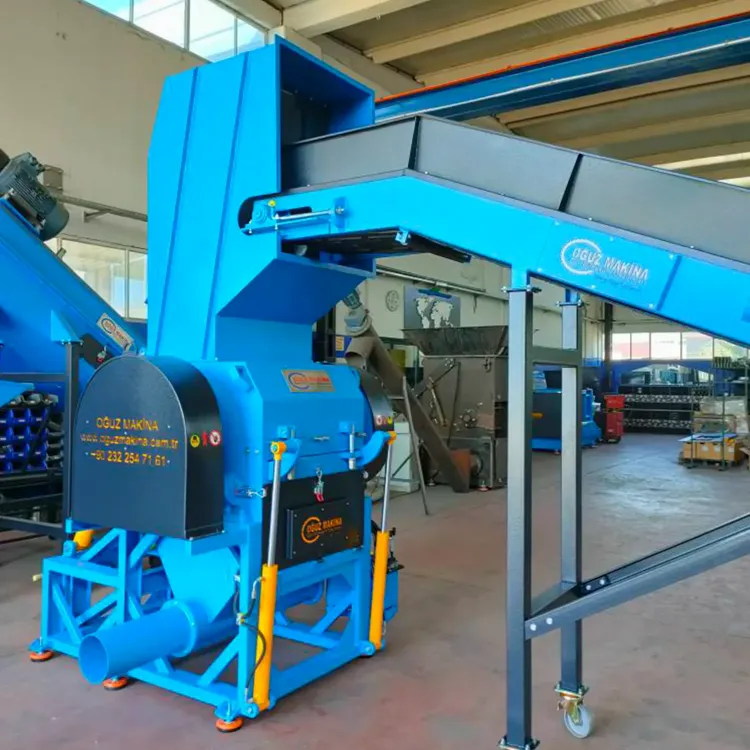
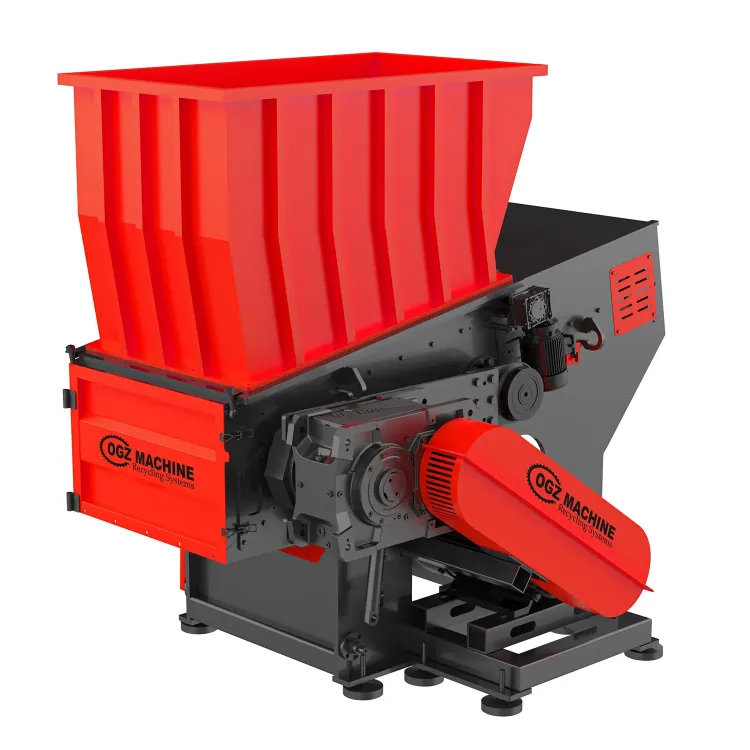
TR
TR EN
EN RU
RU DE
DE AR
AR FR
FR


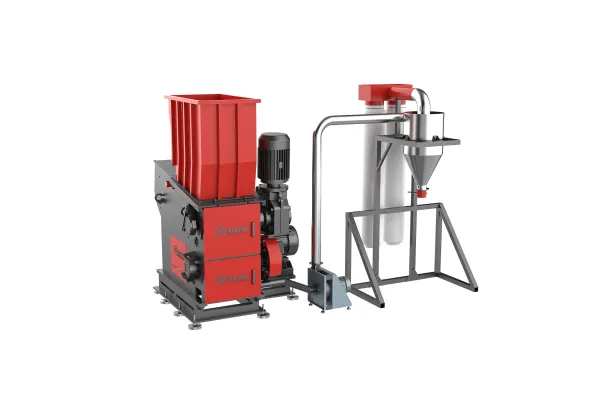
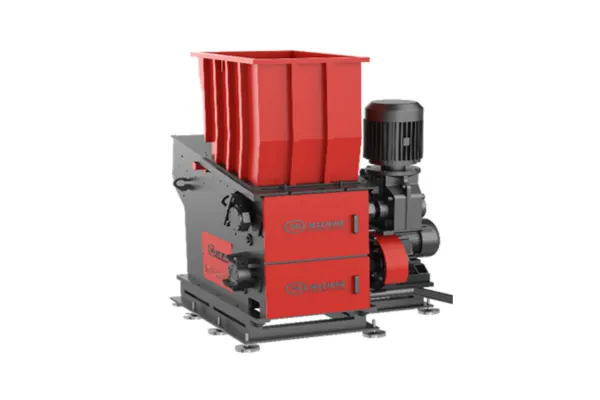


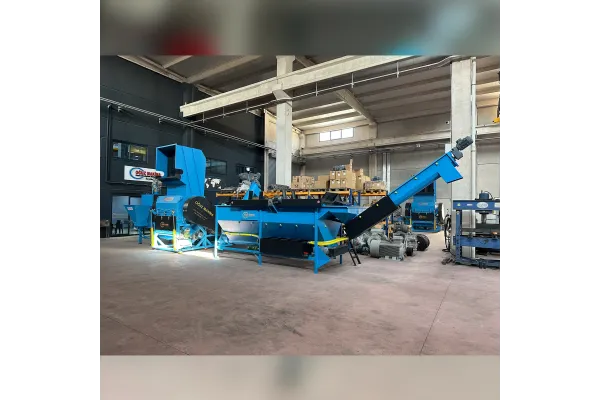


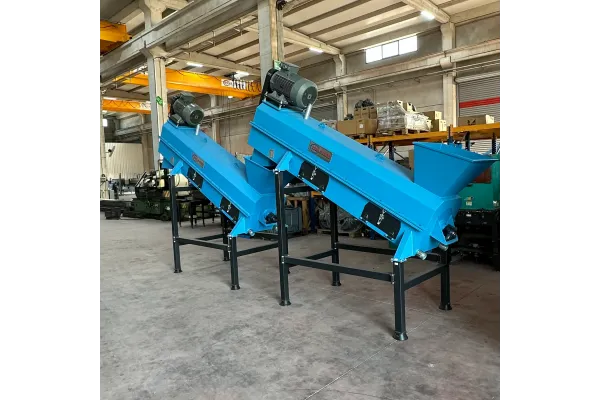


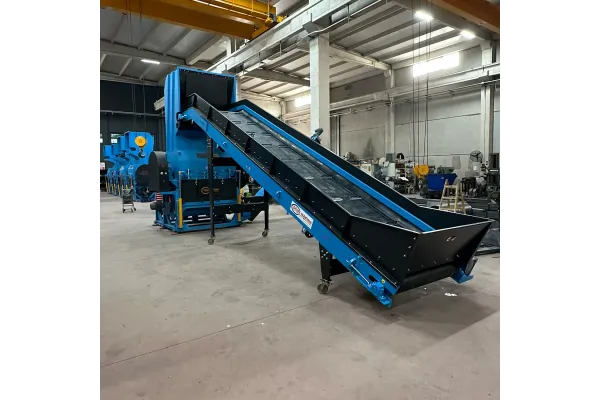


Shredding and Crushing Systems
Shredding and crushing systems are industrial machines that enable the breaking down of large-sized waste or raw materials into smaller pieces. These systems constitute the first and most critical stage of recycling processes. Many different materials, such as plastic, metal, wood, rubber, and electronic waste, are made processable thanks to shredding and crushing machines.
Importance and Working Principle of Shredding and Crushing Systems
In industrial production and recycling processes, efficiency begins with proper shredding. Processing large and irregular waste is both difficult and costly. The advantages provided by these systems are:
Significantly reduces waste volume
Lowers transportation and storage costs
Accelerates the recycling process
Ensures the production of more homogeneous raw material
Increases efficiency in production processes
The working principle of these systems is generally based on the application of mechanical force:
Feeding: Material is transferred into the machine.
Shredding/Crushing: It is broken down by a blade, rotor, or hammer system.
Screening: Pieces of the desired size are separated.
Transfer: The processed material is transferred to the next production stage.
Machine Types
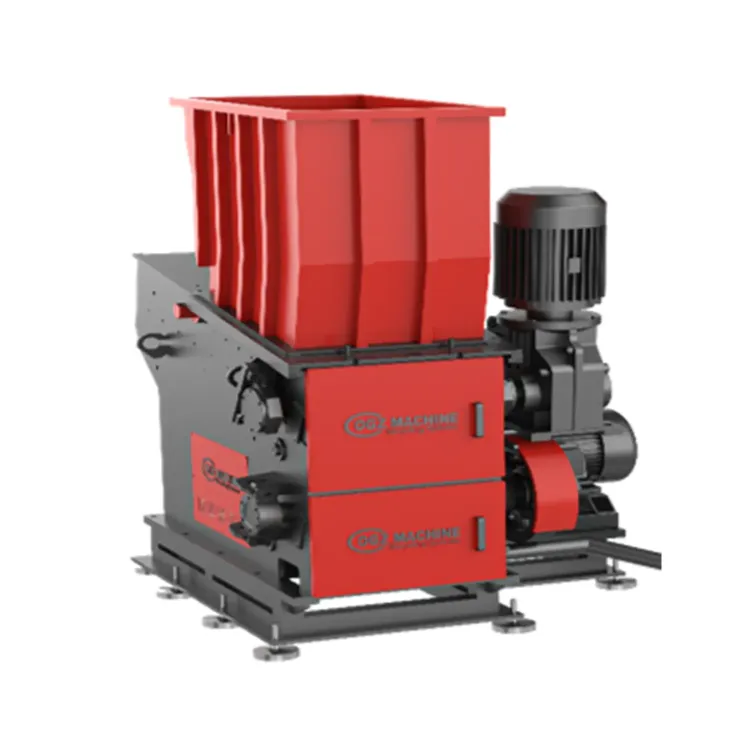
Single-Shaft Shredders: Generally used for plastic, wood, and light metal waste. Provides controlled and homogeneous shredding.
Double-Shaft Shredders: Suitable for more durable and large-volume waste. Preferred for shredding rubber, metal, and industrial waste.
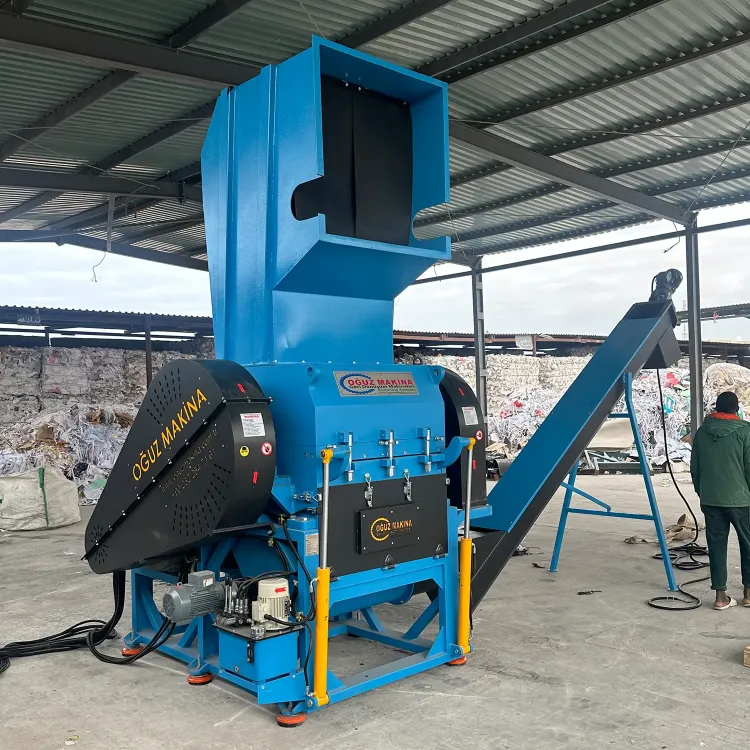
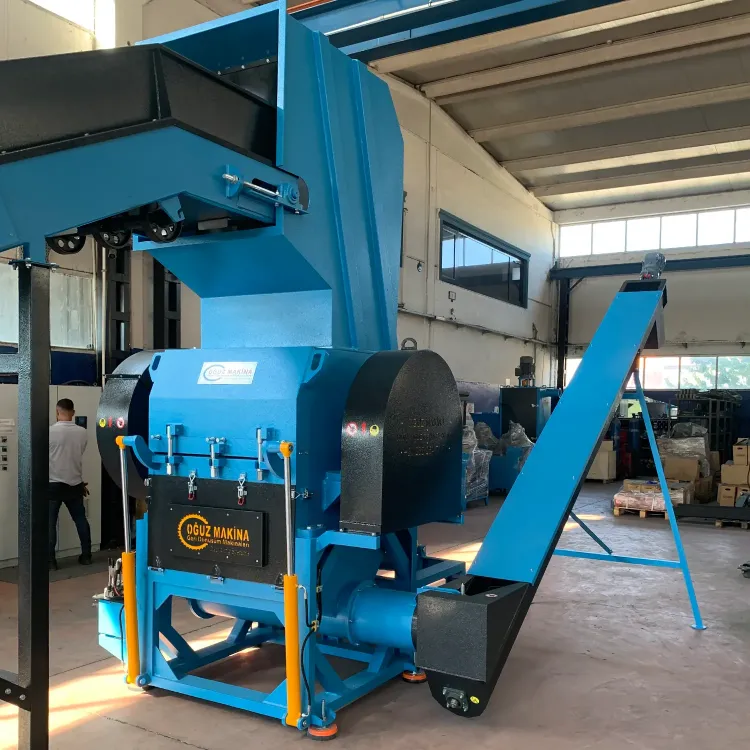
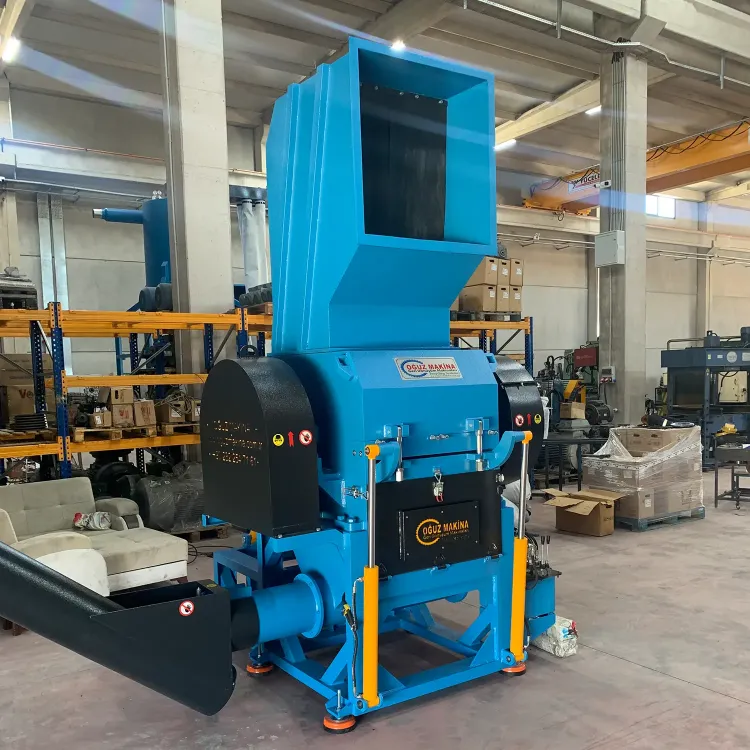
Granulators (Crushers): Transform shredded materials into smaller and more uniform granules. Widely used in plastic recycling.
Application Areas and Advantages
These systems are actively used in many different sectors:
Recycling facilities
Plastic production factories
Metal processing industry
Construction and demolition sector
Wood and furniture production
Automotive supply industry
Shredding and crushing systems offer significant cost advantages to businesses:
Enables the re-evaluation of waste
Reduces raw material costs
Increases production efficiency
Reduces the need for storage space
Accelerates return on investment in the long term
With advancing technology, the use of systems that are stronger, more efficient, and have lower energy consumption is becoming increasingly widespread.