 TR
TR EN
EN RU
RU DE
DE AR
AR FR
FR










An Essential Part of Our Daily Life: PET (Polyethylene Terephthalate) Plastic
PET (Polyethylene Terephthalate), which we encounter in many places from water bottles on supermarket shelves to food packaging, textile products, and electronic device components, is one of the most widely used plastics in the modern world. Recognized by the number "1" in the recycling symbol, PET stands out for its lightness, durability, and food safety.
What is PET Plastic?
PET (Polyethylene Terephthalate) is a polymer. It has become rapidly popular, especially due to its transparency, strength, and suitability for food contact. Today, it is one of the indispensable raw materials for both the packaging industry and the textile sector.
Prominent Features of PET
Transparency: PET has a clear appearance like glass. This feature makes it ideal for beverage bottles and display products.
Lightweight and Durability: Compared to the fragility of glass, it is both much lighter and resistant to impacts.
Food Safety: PET is a safe plastic suitable for contact with food and is BPA-free. For this reason, it is preferred for beverage bottles, oil, and sauce bottles.
Gas and Moisture Barrier: It provides a good barrier against oxygen and carbon dioxide, which is a major advantage, especially for carbonated drinks.
Moldability: It takes shape easily when heated, which enables the production of bottles in different sizes and designs.
Recyclability: PET is the most recycled type of plastic in the world.
Where is PET Used?
Packaging Sector: Water bottles, carbonated beverage bottles, oil bottles, sauce containers.
Textile: Recycled PET (rPET) is used in the production of polyester fiber. This fiber appears in many products from clothes to carpets.
Electronics and Industry: Insulation films, magnetic tapes, packaging films, and automotive parts.
PET Plastic Recycling
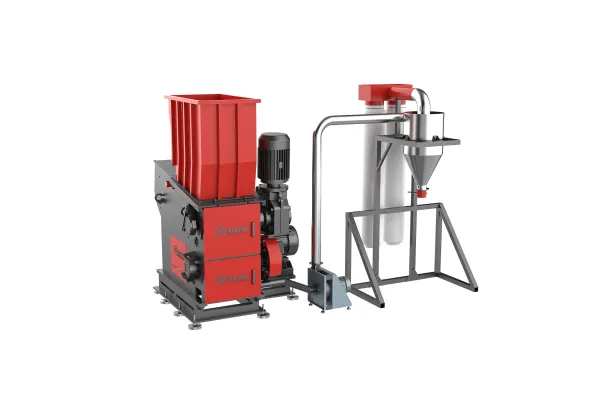
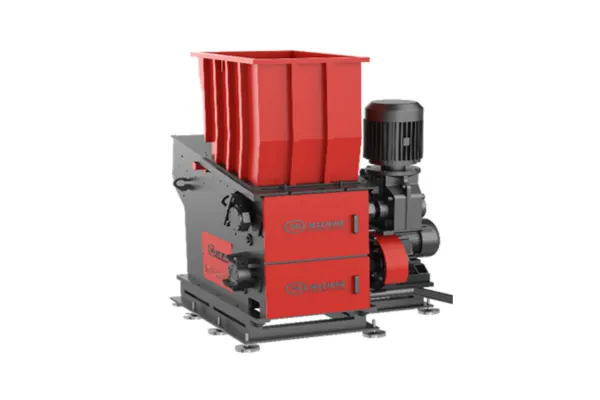
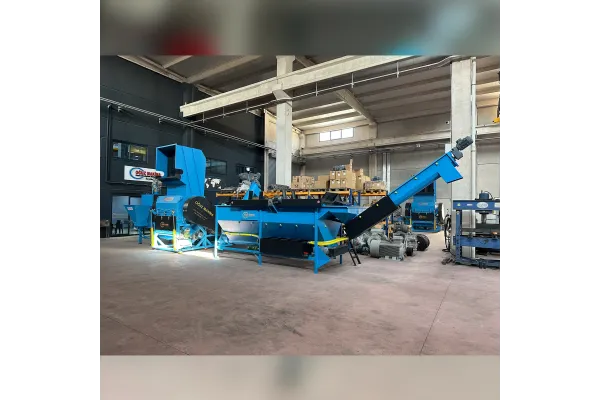
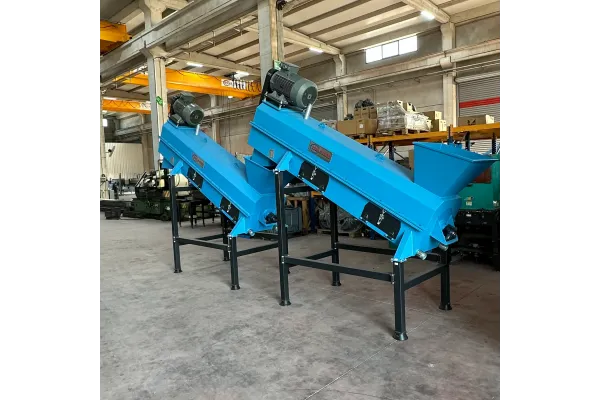
PET is marked with the recycling number 1. The process consists of the following steps: Collection and Sorting, Cleaning and Shredding, Melting, and Conversion into Fiber. Recycled PET (rPET) is used in new bottles, polyester yarns, bags, and sports shoes.
Advantages and Disadvantages
Advantages: It is transparent, lightweight, and durable; safe for food contact; provides a gas barrier; and is the most recycled plastic in the world.
Disadvantages: It creates excessive consumption issues in single-use products, is not resistant to high heat, can weaken in sunlight, and experiences loss of quality during repeated recycling.
Conclusion
PET is indispensable in the packaging sector due to its transparency and safety. The solution is to integrate PET into the recycling chain and prefer recycled PET (rPET) products as much as possible. When used correctly, it will continue to be a valuable material for both the industry and consumers.