 TR
TR EN
EN RU
RU DE
DE AR
AR FR
FR








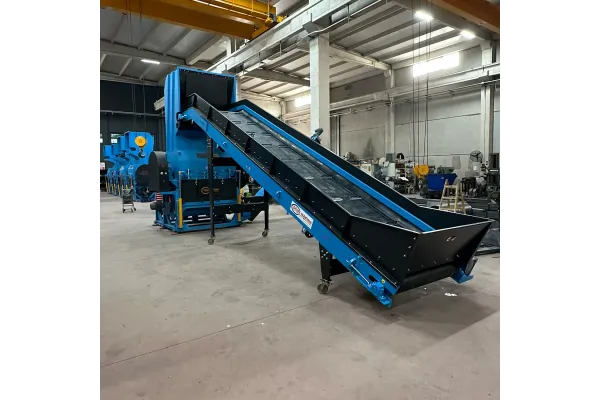


Plastic Recycling: A Vital Step for a Sustainable Future
Plastics appear in every area of our daily lives: water bottles, packaging, bags, electronic components, and more. However, the environmental cost of this widespread use is high. Plastic waste can remain in nature for hundreds of years and negatively impact ecosystems. This is exactly where plastic recycling comes into play.
What is Plastic Recycling?
Plastic recycling is a process that allows waste plastics to be collected, processed, and made reusable. This process helps conserve natural resources, save energy, and reduce environmental pollution.
Stages of Plastic Recycling
Collection and Sorting: Plastic waste is collected from homes, workplaces, and collection centers. It is separated according to its type (PET, HDPE, LDPE, PP, PS, etc.).
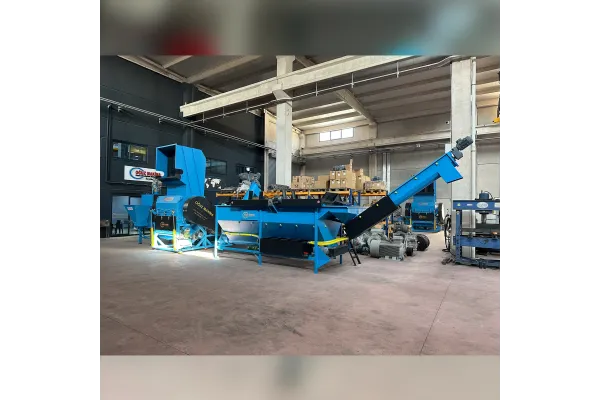
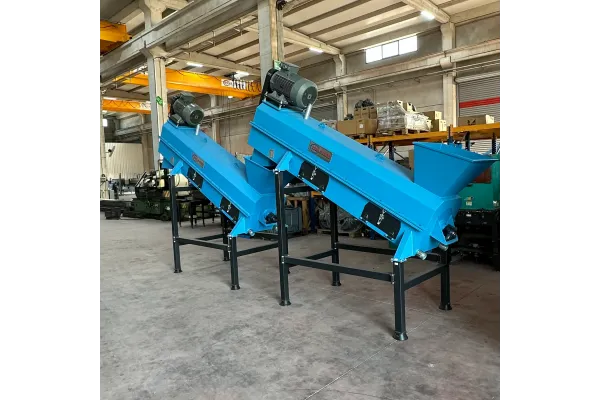
Cleaning: Labels, dirt, oil, and other foreign substances are cleaned from the plastics.
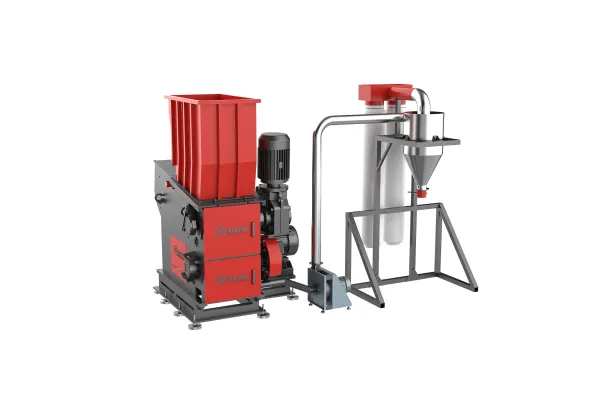
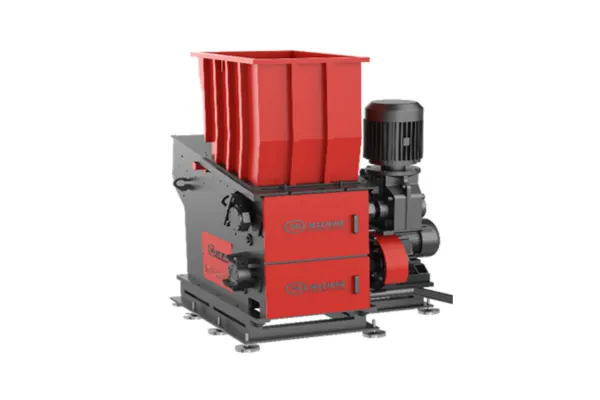
Shredding and Grinding: Plastics are broken down into small pieces or granules.
Melting and Reshaping: The ground plastics are melted and converted into granules to produce new products.
Production of New Products: Recycled plastics are used in the production of new packaging, bags, textile products, toys, and construction materials.
Benefits of Plastic Recycling
Protects the Environment: Prevents the pollution of nature by reducing the amount of plastic waste.
Energy Saving: Producing recycled plastic does not consume as much energy as production from scratch.
Conservation of Natural Resources: Reduces the consumption of crude oil and other raw materials.
Economic Contribution: The recycling sector creates new job opportunities and strengthens the economic cycle.
Sustainability: The reuse of plastics contributes to the circular economy approach.
Challenges of Plastic Recycling
The diversity of plastic types can make recycling difficult. Dirty or contaminated plastics can become unprocessable. Some plastics experience a loss of quality when reprocessed. Incorrect waste sorting by individuals lowers the recycling rate.
Tips for Plastic Recycling at Home
Sort Plastics by Type: Follow codes such as PET, HDPE, LDPE, and PP.
Clean Them: Wash and dry the packaging.
Reuse: Reuse plastic bottles, boxes, or bags for different purposes.
Take to Recycling Points: Place plastic waste in appropriate recycling bins.
Plastic recycling is of vital importance to protect the environment, ensure energy and natural resource savings, and build a sustainable future. The duty that falls upon us as individuals and societies is to use plastics consciously, sort them correctly, and bring them into the recycling chain. Every recycled plastic reduces waste thrown into nature and contributes to leaving a clean world for future generations.